

























































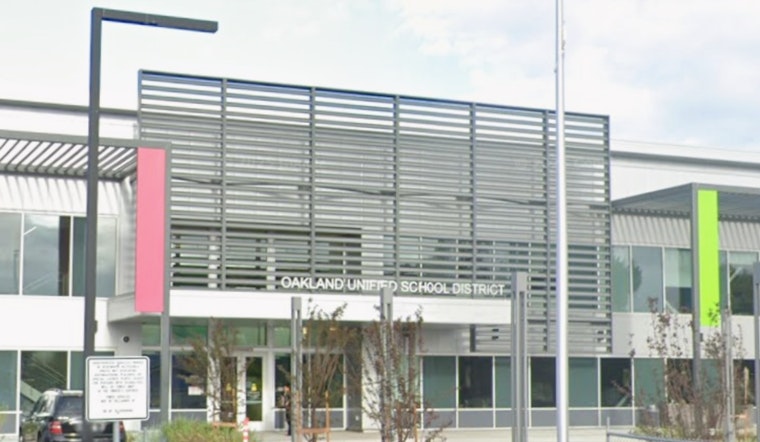
Oakland Unified is hustling this summer to keep students from roasting in oven-like classrooms. The district is rolling out a short-term cooling plan built around quick, lower-cost fixes and new sensors, starting with second-story, south- and west-facing elementary rooms that cook in the afternoon sun, then expanding as funding and construction schedules allow.
District announces quick fixes
As reported by The Oaklandside, OUSD’s facilities team plans to spend this summer installing protective window films, adding reflective blinds, putting up external shade canopies and planting more trees at selected campuses. The same reporting says the district also intends to equip every classroom with a temperature sensor by the end of the summer to build a districtwide picture of how hot indoor learning spaces are getting.
Measure Y and the facilities master plan
The short-term cooling work is being folded into the district’s broader capital program: Measure Y bond dollars and the draft 2026 Facilities Master Plan are steering which repairs and upgrades move first. According to OUSD, the master plan lays out long-term campus investments even as staff hunt for quicker, passive fixes that can be slotted into summer break construction windows.
Money, classrooms and timeline
The Oaklandside reports the district has earmarked roughly $8 million in Measure Y funding for this summer’s heat-mitigation projects. The same reporting notes that Measure Y projects are expected to include heat mitigation work in about 231 classrooms, while the district estimates roughly 2,100 classrooms currently do not have active cooling. East Oakland Pride Elementary, Horace Mann, Fruitvale, Markham and Lockwood STEAM Academy are among the campuses slated to get window film, and the facilities committee has advanced a resolution directing staff to pursue heat-mitigation actions by August 2026.
Parents and pilots pushed the timeline
Families and school communities helped force the issue. NBC Bay Area reported that parents at Sequoia Elementary raised their own money to add reflective film and portable cooling units, and said those DIY upgrades brought down classroom temperatures in some rooms. Community organizers with Cool OUSD Schools point to pilot projects showing 4–8°F drops in certain classrooms after similar low-cost measures, and they pressed trustees at a recent facilities meeting to move faster on a districtwide rollout.
What comes next
District leaders say these quick fixes should make classrooms safer and more bearable this summer, but they are not pretending this solves the whole problem. Fully installing active cooling across aging school buildings will take years and much larger investments to design and construct. OUSD staff plan to layer the short-term, passive strategies into summer construction windows while they chase additional state and federal funding and map out a multi-year path for major HVAC upgrades.





