

























































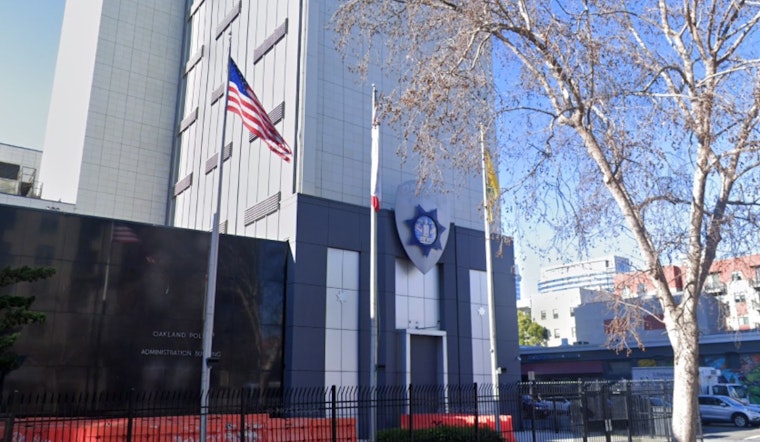
Oakland’s police department is under fire for allegedly sidestepping a court-enforced settlement that was supposed to speed up public records releases, according to the attorney monitoring the deal. Sam Ferguson says the Oakland Police Department is hitting requesters with identical boilerplate responses and stretching promised timelines beyond what the settlement allows. He has given city lawyers two months to get the department back in line or risk another round of legal action.
As reported by The Oaklandside, Ferguson combed through the city’s NextRequest portal and found 1,168 open public records requests, with more than 900 listed as past due. He told the outlet that OPD often answers with the same PDF form instead of providing individualized determinations, and that the department’s estimated release dates in some cases are about twice as long as what the settlement allows.
The settlement that set those deadlines, known as the Morris class agreement with the city, requires OPD to clear its California Public Records Act backlog within six months, produce most crime reports within 15 days, and release misconduct files on a two-week schedule, according to Courthouse News Service. Judges retain oversight of the agreement, so missed benchmarks can be enforced in court.
What Ferguson flagged in his demand
In a letter to city attorneys this month, Ferguson demanded “lawful responses” and “meaningful productions” for overdue requests and set a two-month timeline for OPD to clear long-overdue items, warning that he would seek court costs and attorneys’ fees if the department does not comply, according to The Oaklandside. His review also called out the department’s repeated use of boilerplate communications that offer little detail on whether records exist or when they will be released.
Budget promises, staffing gaps
The city’s adopted budget included funding for a records-management upgrade and several new clerical positions intended to move disclosures out the door faster, according to the city’s budget summary. OpenGov describes a Mark43 records-management system upgrade and added intake full-time positions for OPD, while a report by the Public Ethics Commission notes that the police department has historically accounted for the bulk of overdue public records requests. The commission found that OPD handled roughly 58 percent of the city’s requests and a disproportionate share of open cases.
What requesters can do
People waiting on records can seek mediation through the city’s processes or file administrative complaints if they believe California Public Records Act deadlines were not met. The City of Oakland maintains guidance on filing public records requests and on mediation options for disputes, and those resources explain how to escalate delayed or denied requests. The City of Oakland lists contacts and next steps for challenging a records response.
Legal implications
Because the Morris agreement is court-approved, failure to meet its benchmarks can lead to motions to compel, sanctions, or fee awards, remedies Ferguson has used in past California Public Records Act fights. Courthouse News Service reports that judges remain involved in enforcement, and Ferguson’s firm has a track record of filing CPRA litigation to compel disclosures. Ferguson Law PC provides background on the attorney’s previous public records cases.
Ferguson’s deadline gives OPD a short window to demonstrate that the settlement is working in practice, not just on paper. If overdue productions continue to pile up, the fight is likely to return to court, where residents, reporters, and transparency advocates will be watching to see whether Oakland follows through on its promise of faster, clearer access to police records.




