

























































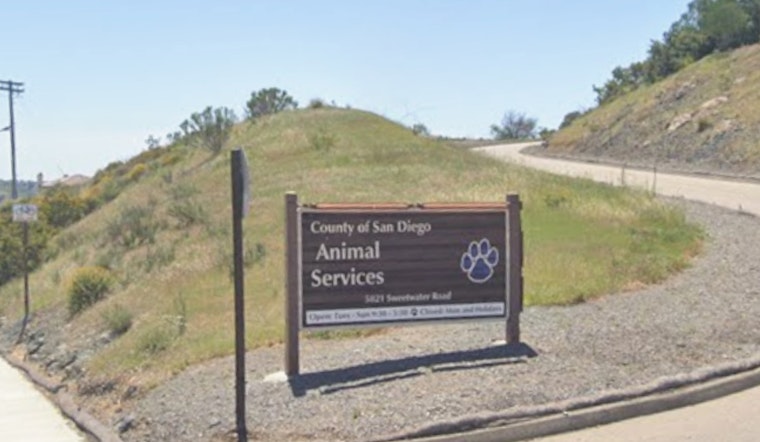
Rachael Borrelli, the former assistant director of San Diego County’s Department of Animal Services, filed an administrative claim in January seeking $8.5 million, arguing that her removal earlier this year was retaliation. Borrelli, who until she left oversaw operations at the county’s two shelters, says supervisors brushed off complaints she made about a coworker and that she was forced out for raising those concerns. The county has already indicated it will reject portions of the claim as untimely, setting the stage for a procedural showdown over who followed the rules and who did not.
According to KPBS, Borrelli’s claim seeks $8.5 million for general damages, loss of reputation and lost earnings, and it says she complained to human resources after a colleague allegedly defamed her in 2024. The county wrote to Borrelli that parts of the claim would not be accepted because "too much time had passed," wording her attorney has challenged in written responses. Her filing, and the county’s initial rejection, now puts a clock on whether this dispute stays in the administrative arena, gets settled or ends up in court.
Borrelli’s exit followed earlier reporting that uncovered a profanity-laced voice message in which she criticized shelter practices and pressed for more euthanasias. That controversy landed in the middle of a KPBS investigation showing dog euthanasia rates at county-run shelters had risen markedly, and it triggered internal reviews and personnel changes inside the department.
New leadership and oversight
The county moved to steady Animal Services in early April, naming Dr. Brieana Sarvis as director and Kendra King as deputy director while the department faces public scrutiny and an ongoing audit. As reported by Santee Pulse, which reprinted the county’s announcement, Sarvis had been serving as the department’s chief veterinarian and interim director, and King comes to San Diego County from Ventura County’s humane organization. Volunteers and rescue groups say they will be watching closely to see whether the new leadership improves transparency, recordkeeping and policies tied to euthanasia decisions.
Legal implications
Timing is crucial. Under California’s Government Claims Act, people who want to sue a public entity generally must first submit a written claim, and failing to do that correctly can block a later lawsuit. As explained in State of California v. Superior Court, the presentation rules are strict, and courts have thrown out cases that do not properly allege compliance. There is a narrow path to ask a judge for permission to file a late claim, but that requires a showing of excusable delay and other conditions, and legal analysts note that such requests are far from automatic.
What’s next
Borrelli’s claim, and the county’s early pushback, will keep a spotlight on both personnel practices and shelter policies as the audit continues. If the county sticks with its timeliness argument, Borrelli could ask a court for relief or enter settlement talks, either of which would extend scrutiny of the department. For local advocates and volunteers, the more immediate question is whether the new leadership team and the audit will translate into clearer rules, stronger recordkeeping and fewer contentious euthanasia decisions at county-run shelters.





