

























































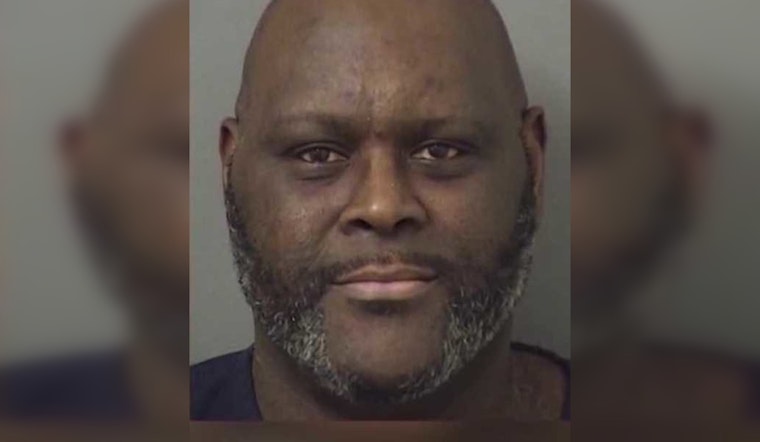
A Palm Beach County jury on March 24, 2026, found Shannon D. Atkins, 47, not guilty of written or electronic threats to kill or do bodily injury after prosecutors said he posted violent comments about President Donald Trump on Facebook. The posts at issue dated to Jan. 19, 2025, and the jury cleared Atkins of the state charge after deliberations.
According to WPBF, an account linked to Atkins responded to another user's message with “the bullets are coming” and also posted phrases such as “Bullets please. Please Jesus! Save America.” The station reports that Atkins later told detectives he used the Facebook account and said the comments were meant as a joke, while conceding they could reasonably be taken as threats.
As reported by The Associated Press, Atkins was arrested on Jan. 24, 2025, after an Okeechobee resident tipped the FBI’s National Threat Operations Center and investigators traced the posts back to him. Officers said a traffic stop turned up cocaine, and the U.S. Secret Service would review whether federal charges were warranted.
How courts draw the line between hyperbole and true threats
Prosecutors argued in a March 25 court filing that judges and juries have to sort out protected political hyperbole from unprotected “true threats,” according to WPBF. The Supreme Court’s decision in Elonis v. United States held that a negligence standard is not enough for threat prosecutions, and the Court’s later ruling in Counterman v. Colorado required at least recklessness, meaning a subjective awareness that others could view the statements as threatening. See Justia and Justia for background on how courts weigh intent and context.
Local reaction and what's next
Supporters rallied online early in the case, using the hashtag #FreeShannon and telling local outlets that Atkins often jokes on social media, according to WPTV. Law enforcement has said the Secret Service will assess whether the matter merits federal action, and Atkins still faces a separate drug charge tied to the traffic stop, The Associated Press reported.
The acquittal leaves open difficult questions about when heated online rhetoric crosses the line into criminal conduct, which courts are still trying to untangle after recent Supreme Court guidance. For Palm Beach County residents, the verdict is one more data point in an ongoing debate over social media, public safety and free speech.





