

























































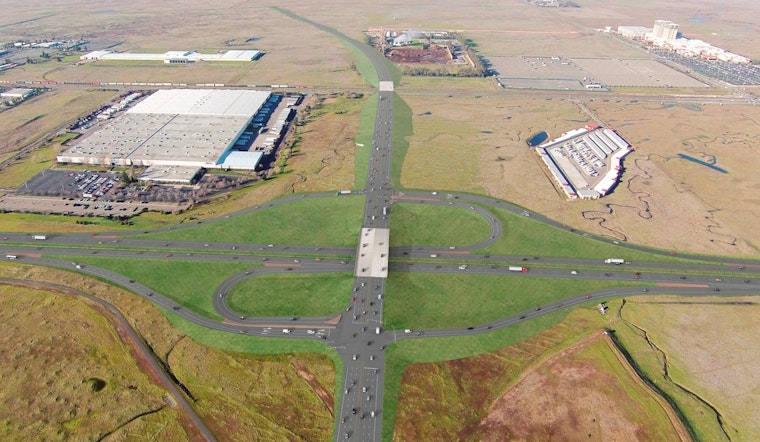
Placer County supervisors voted Tuesday to award a $61.6 million construction contract for Phase I of the long‑talked‑about Placer Parkway, clearing the way for crews to finally roll in this summer. The board also signed off on a roughly $9.8 million contract for construction management and materials testing. County officials say the project is aimed squarely at easing congestion on State Route 65 and improving safety across west Placer.
In a post on X by Placer County, the county said it awarded the Phase I construction contract to A. Teichert & Son Inc. and approved a PSOMAS contract for construction management and materials testing. According to the county, those actions shift the project from years of planning into the construction phase, with crews expected to begin work this summer.
Timeline and budget snapshots
Placer County has long described Phase I as the first stretch of an approximately 15‑mile limited‑access expressway intended to connect SR‑65 with SR‑70/99 and take some heat off I‑80. An October 2025 county news release estimated about $106 million for the construction portion and roughly $160 million for the total Phase I development cost, figures that reflect earlier budgets for design, right‑of‑way and environmental work. As outlined by Placer County, those earlier estimates were part of the packet that cleared design and permitting last year.
Phase I: what will be built
Phase I will upgrade the SR‑65/Whitney Ranch Parkway interchange, build a new four‑lane roadway to North Foothills Boulevard, construct a grade‑separated crossing of the Union Pacific tracks and widen Whitney Ranch Parkway to six lanes. The Placer County Transportation Planning Agency notes that Phase I is being led by Placer County Public Works and is nearing design completion before crews break ground. PCTPA provides the regional project overview and broader context for the corridor.
How the county says it will pay for it
County documents and news materials say funding for Phase I will come from a mix of South Placer Regional Transportation Authority Tier 2 development fees, contributions from the United Auburn Indian Community and Placer County Water Agency infrastructure funds, along with some advanced county general‑fund contributions that will be reimbursed over time by future development fees and SPRTA collections. The county also notes that PCWA will reimburse the county for the cost of a new water line included in the Phase I package. Placer County materials lay out the financing approach and repayment plan.
Officials and reaction
Board Chair Shanti Landon said awarding the contract moves the project from planning to construction and brings the county closer to relieving congestion and improving safety, a theme county officials repeated in their public communications. Local business and planning groups have generally backed the move as a way to unclog the SR‑65/I‑80 corridor, though the project will be a multi‑year construction effort with intermittent traffic impacts as crews work through utility relocations and rail crossing improvements.
Why it matters for commuters
When complete, Placer Parkway is intended to provide an alternate high‑speed corridor between SR‑65 and SR‑70/99, improving regional connections to I‑5, downtown Sacramento and Sacramento International Airport. Regional planners say the expressway, built incrementally over time, aims to reduce commute times and freight bottlenecks that have grown with west Placer development. PCTPA frames the corridor as a long‑term regional priority.
Next steps
With the contracts approved, the county will finalize notices to proceed and post construction schedules and traffic advisories before crews begin work this summer. Officials say Phase I will be a multi‑year build, and the county will return to the Board with updates on schedules, traffic controls and any material changes to budget or scope as construction progresses.





