

























































With the 2026 World Cup closing in, dozens of labor and immigrant-rights groups crowded the steps of the Miami-Dade Government Center on Tuesday, demanding that FIFA and the Miami host committee put legally enforceable worker protections in writing. Organizers warned that the promises on the table so far read like soft guidelines and argued that non-union contracting and low pay could turn a once-in-a-generation economic boost into a blueprint for exploitation.
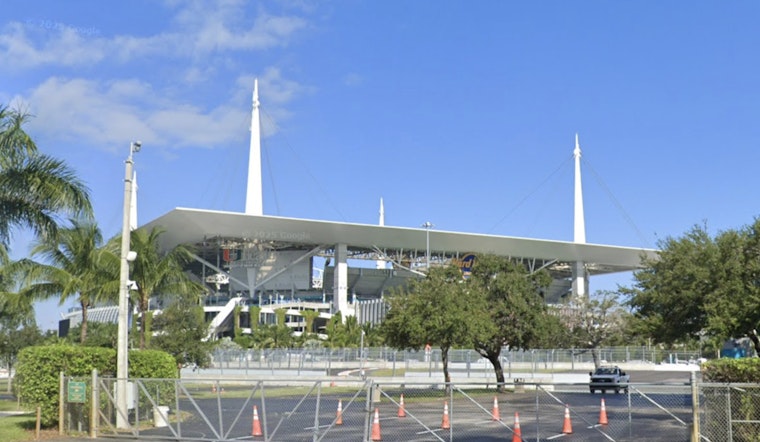
As reported by Axios, the coalition represents roughly 30 local labor groups and accuses the host committee of failing to deliver a Human Rights Action Plan and of hiring non-union contractors that do not meet Miami-Dade wage standards. Miami-Dade municipalities have already committed about $53 million to staging seven matches at Hard Rock Stadium. The World Cup opens June 11, with Miami set to host its first game on June 15.
What organizers are demanding
Organizers say they want binding, enforceable steps, not voluntary pledges that can be quietly brushed aside. The South Florida AFL-CIO has called for labor-peace agreements, living wages and local-first hiring in public contracts to keep a shadow economy from sprouting up around the tournament, according to the South Florida AFL-CIO. Immigrant-rights groups are also pushing for a moratorium on ICE arrests at event sites and for local governments to suspend 287(g) agreements during match weeks, as reported by Local 10.
Host committee responds
The Miami World Cup host committee counters that it has been at the table with labor and community groups and is already working to guard against human trafficking. "We've met with them multiple times [and] in very good faith," Alina Hudak said, while co-chair Rodney Barreto argued the committee has been transparent about bidding and procurement. Both comments were made to Axios. Barreto also noted that immigration enforcement falls under federal authority, not the host committee’s control.
Why the dispute matters
Advocates warn that weak or unenforceable standards could leave low-paid stadium workers and contractors exposed while the county shoulders the public costs of hosting the global spectacle. FIFA has instituted a human-rights protocol that asks host committees to produce action plans, but rights groups argue the framework still lacks teeth, according to AP News. Activists have pressed similar demands before, including an October rally at FIFA’s Coral Gables office, underscoring that this is a sustained local pressure campaign rather than a one-off protest.
What's next
Organizers say they will keep pushing until they see concrete changes in contracts and procurement language that lock in living wages and labor neutrality. Miami’s seven-match slate is listed on FIFA, and local groups say the coming weeks are their window to secure enforceable guarantees before the world’s biggest sporting event lands in their backyard.





