

























































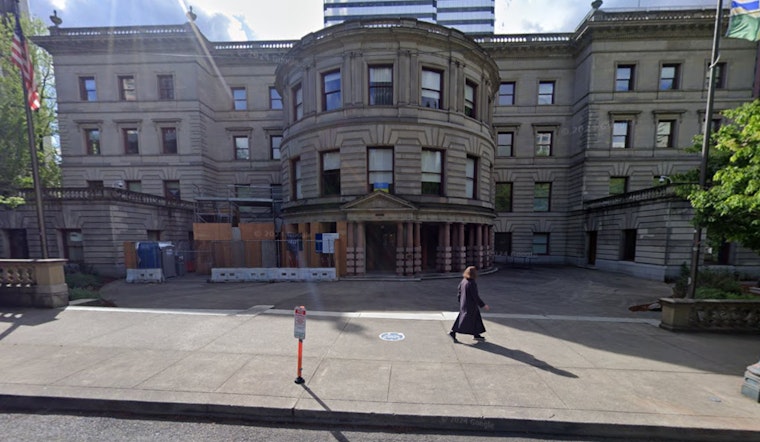
On Wednesday, Portland City Council voted unanimously to speed up zoning work that could open the door to more homes across the Inner Eastside. The move tells city staff to find a faster, legally defensible path to rezone some of Portland's most opportunity rich inner neighborhoods, then bring back options for Council to debate. Housing advocates called it a long overdue push toward denser, transit served neighborhoods, while skeptics warned that moving fast without real affordability tools could backfire. For now, nothing on the ground changes: the resolution orders a plan and timeline, not an immediate rezone.
What the measure requires
The resolution instructs the City Administrator to deliver an expedited report within 90 days that lays out options to shorten the overall path to Council action and to pinpoint barriers that are slowing things down so far. The goal is to put the Council in a position to consider zoning changes by June 30, 2027, according to the City of Portland. Staff are asked to draw a preliminary study area, roughly stretching from NE Fremont to SE Powell and from about 12th Avenue out to 60th Avenue, and to spell out how they will study affordability, displacement risk, and infrastructure capacity. The resolution is explicit that staff are being directed to bring back implementation options, not to rush final zoning decisions themselves.
Who pushed for it
Councilors Angelita Morillo, Mitch Green, and Candace Avalos introduced the resolution after it moved through committee this spring. Green flagged the proposal to constituents in a district newsletter, as described in Councilor Mitch Green's newsletter. Behind the scenes, a coalition called Portland: Neighbors Welcome has been pressing an "Inner Eastside for All" vision that would once again allow smaller, street scale apartment buildings across much of the close in eastside.
Why advocates cheered
Supporters argue that denser, walkable neighborhoods near frequent transit are one of the clearest ways to get more affordable, family sized homes while avoiding the higher climate costs of outward sprawl. Habitat for Humanity Portland Region has publicly backed the effort and urged the city to create practical, usable pathways for both nonprofit and private builders to produce long term affordable homes in inner neighborhoods, instead of pushing those projects farther out.
What worries residents
Critics, including some tenant advocates and neighborhood groups, say the real risk is that new zoning will arrive before serious anti displacement funding or a faster permitting system are in place. That, they warn, could drive up turnover and speculation instead of stabilizing costs. The resolution does tell staff to build a displacement risk analysis and infrastructure planning into the 90 day report, but skeptics argue that the city will need concrete budget decisions and staffing commitments to make any of that stick. Ongoing fights over how to spend newly identified, unspent housing dollars have raised the stakes for whatever remedies staff bring back.
Legal and timeline hurdles
The resolution also underscores that any acceleration has to follow Statewide Planning Goals, legal notice requirements, and the development of findings strong enough to stand up in court if challenged. The language is aimed at cutting the odds of successful appeals. Staff can recommend shorter steps, but they still have to produce defensible analysis and public outreach that will be vetted in hearings and possibly in legal challenges. City bureaus are instructed to coordinate on budgets and infrastructure so that any zoning concepts that do emerge can move more quickly while still meeting legal standards, according to the City of Portland.
What is next
Planning staff now have 90 days to deliver the accelerated report and are expected to hold briefings and technical outreach while they shape potential zoning concepts. The committee roadmap that carried the resolution forward, along with the next chances for public testimony, are laid out in Councilor Mitch Green's newsletter, which urged residents to get involved. If staff can navigate the legal and technical constraints, Council members will have a path to weigh specific zoning changes ahead of the June 2027 target date. Until then, the resolution stands as a political commitment to move faster, not as an automatic rewrite of Inner Eastside zoning.



