

























































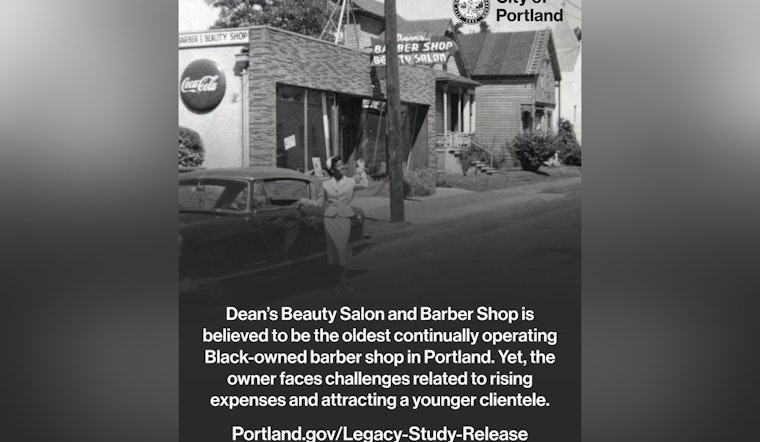
On Wednesday, Portland’s Bureau of Planning and Sustainability splashed photos from its new Legacy Business Preservation Study across social media, putting long-running neighborhood shops and farms squarely in the spotlight. The post frames shuttered grocers, aging family operations and neighborhood barbers as more than just closed signs, arguing that every loss chips away at Portland’s sense of place. City planners are now pitching a program that would give these institutions extra tools, beyond standard small-business services, to weather ownership changes and rising costs.
The bureau’s latest Facebook post linked to the study and called out specific examples across the city, including family farms and historic storefronts, to show what is at stake. One closure that still stings for many is independent grocer Sheridan Fruit Company, which shut its doors in mid February after 110 years in business, a loss that coverage has described as emblematic of pandemic-era pressure on long-running shops, according to OPB. The bureau’s social push tracks closely with themes local reporters have already raised and is using that attention to sell its new preservation strategy, as seen in a recent update from the City of Portland.
Study Recommends A Register And Targeted Supports
The Bureau of Planning and Sustainability’s final report, published in March, makes a straightforward case for creating a Legacy Business Preservation Program that would pair an honorific register with services built specifically for long-running, community-defining firms. Recommended supports include promotional help, succession-planning consultation, contracted professional services, dedicated city staff and responsive financial assistance aimed at businesses that are most at risk. According to the city’s Legacy Business Preservation Study from the City of Portland, these tailored measures are meant to fill gaps left by current business support programs and to help keep neighborhood character from eroding further.
Street-Level Snapshots Show What Is At Stake
One of the study’s featured examples is Dean’s Beauty Salon and Barber Shop, which is listed on the National Register of Historic Places and described as one of the oldest continuously operating Black-owned barber shops or salons in Portland. The National Park Service notes that Dean’s is an important surviving business from Lower Albina’s postwar Black commercial district, and its continued presence shows why the study weighs cultural value alongside economic impact. The National Park Service listing for Dean’s offers additional background and context.
On the agricultural side, the report highlights Rossi Farms as a living, fifth-generation urban farm that hosts tours, events and community programming while continuing to operate inside city limits. Those details appear on the farm’s own site and in local farm-bureau materials that document multi-generation ownership and community outreach. For more, see Rossi Farms and the Multnomah County Farm Bureau’s board profile noting the family’s multigeneration stewardship.
What Is Next For The City And Small Businesses
The study is open for public review, and its recommendations are set to be considered for inclusion in future city work plans. Staff have asked for feedback as they refine program concepts. The report estimates that roughly 1,100–1,500 Portland businesses meet its definition of “legacy,” and survey responses showed strong support from both the public and business owners for a tailored program. According to the report, next steps include defining eligibility criteria, designing an induction process for the register and piloting the targeted services that staff have recommended. See the full list of proposed actions and timelines in the report from the City of Portland.
City planners and business advocates stress that the push is not just about nostalgia for old signs and familiar faces. They argue it is also about economic resilience, by keeping institutions that source locally, provide jobs and help anchor neighborhood identity. Whether that vision turns into a staffed city program with financial tools is still an open question, but the study, along with the city’s social media spotlight on the issue, makes it clear that the debate over how Portland preserves everyday pieces of its past is moving from casual conversation into formal policy.





