

























































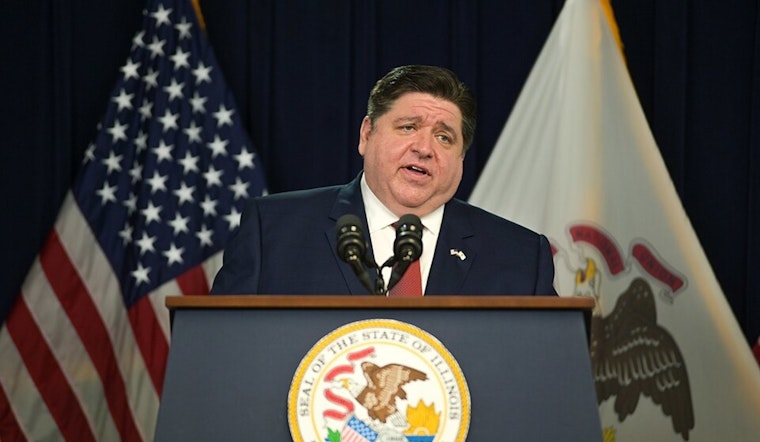
Gov. J.B. Pritzker is pushing a major shakeup of Illinois gambling oversight, proposing on Tuesday to fold the Illinois Gaming Board and the Illinois Racing Board into a single executive-branch agency as part of his FY2027 budget plan. The two panels, currently made up of governor-appointed members who debate and vote in public, would be replaced by a director-led department. Critics say that the switch could curb day-to-day public scrutiny of licenses, enforcement, and disciplinary cases at a time when gambling has grown into a multi-billion-dollar revenue machine for the state, raising fresh questions about who will call the shots and how the public will be able to see it.
As reported by WBEZ, Pritzker aides pitch the consolidation as a way to “streamline oversight and improve how the state regulates a rapidly expanding gaming landscape,” and the governor’s office has pledged that “all information currently available through Illinois Gaming Board processes will continue to be publicly accessible.” The administration says lawmakers would hammer out the structure and oversight details in statute, but budget language already envisions a department-style agency that would absorb licensing, enforcement, and rulemaking powers. If that happens, the longstanding public board meetings that serve as the forum for contested licenses and community comment would come to an end.
What would change
The Illinois Gaming Board describes itself as a five-member body appointed by the governor and confirmed by the Senate, with professional staff that handles licensing, audits, investigations, and enforcement for casinos, video gaming, and sports wagering, according to the IGB. The agency maintains offices in Chicago and Springfield and publishes meeting schedules and disciplinary actions as part of its routine work. Under the governor’s proposal, those board-level decisions would shift to an executive director and assistant directors, pulling both racing and gaming operations into a single chain of command inside a new department.
Money at stake
There is serious tax money riding on how this all gets regulated. A 2025 state wagering report shows video gaming brought in about $871 million in state-designated receipts, sports wagering transfers totaled roughly $380 million, casino transfers came in at about $186 million, and horse racing generated roughly $7 million. Those numbers come from the Commission on Government Forecasting and Accountability’s 2025 “Wagering in Illinois” report, which tracks FY2025 results. That financial weight is central to the administration’s argument that a consolidated regulator could tighten enforcement and make tax collection more efficient.
Why critics worry
Civic groups, investigative journalists, and several lawmakers warn that collapsing the boards into a single agency could weaken a public check on politically connected casino operators, video gaming firms, and developers who frequently appear before regulators. The Chicago Sun-Times points out that legislators, including top leaders, have received sizable campaign contributions from video-gaming companies, a reality critics say underscores the need for visible, independent review. Supporters of the governor’s plan counter that combining the boards would create more consistent disclosure practices and speed up a regulatory system that has a reputation for moving slowly.
How oversight would shift
Administration officials told WBEZ that oversight would still include legislative reporting, budget, and subject-matter hearings and Senate confirmation for the new director and assistant directors. Even so, critics argue that those checks are no substitute for open board deliberations and roll-call votes, where neighbors, competitors, and watchdogs can raise concerns on the spot. If lawmakers approve the governor’s restructuring, courts and the General Assembly could also be drawn into debates over exactly how much of today’s public recordkeeping must be locked into state law so it cannot be quietly rolled back later.
What’s next
The consolidation cannot happen without enabling legislation, but industry reporting says the FY2027 budget already includes language creating a Department of Gaming Regulation and Enforcement to absorb both boards’ powers if the plan is approved. Trade coverage of the proposal indicates the change would kick in at the start of the fiscal year, centralizing licensing, enforcement, and most staffing inside a director-led agency. Lawmakers and stakeholders will now spend the coming months arguing over whether any efficiency gains are worth cutting back the current avenues for public comment.
In the end, lawmakers in Springfield will decide whether to rewire Illinois gambling oversight, and the fight is quickly coalescing around a practical question: Can the state crack down on violations and collect every tax dollar it is owed without sacrificing the transparency that public board meetings provide? For now, the governor has put a high-stakes choice on the table, one that fuses regulatory design with how Illinois balances its hunger for revenue and its promise of public accountability.





