

























































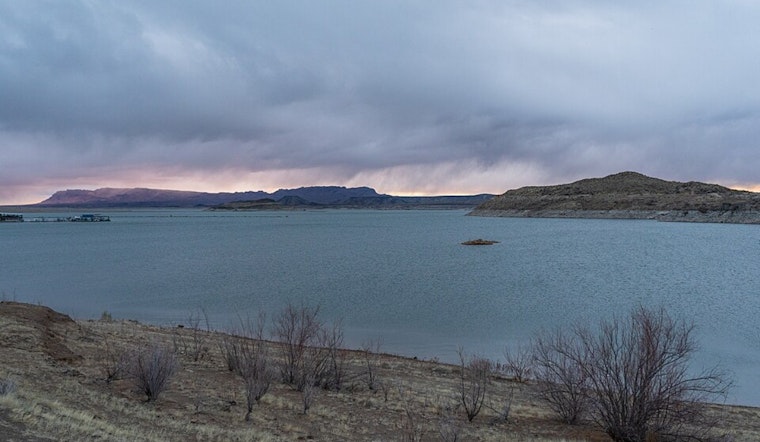
Water managers along the Rio Grande are sounding the alarm, warning that New Mexico is heading into one of the toughest irrigation seasons anyone can remember. After a third straight dry year, record-early snowmelt and reservoirs scraped down into the low teens in percent capacity, Elephant Butte Lake is barely hanging on and release schedules out of Caballo are being tightened. The already-shortened season now threatens farm plantings across southern New Mexico and could put a serious squeeze on water supplies for El Paso.
What water managers are saying
The U.S. Bureau of Reclamation's latest operating plans say this year's irrigation season could be among the most challenging the region has ever seen, and staff report they are working with irrigation districts, cities and tribal partners to stretch every available drop, according to the Bureau of Reclamation. Albuquerque Area Office acting manager John Irizarry told KFOX that facing a third dry year in a row is a major challenge for regional water operations.
Reservoirs at historic lows
Monitoring data show Elephant Butte Reservoir sitting at about 12.8% of capacity in mid April, with several storage sites on the Rio Chama and Rio Grande also holding under roughly 15% of capacity, according to Water Data for Texas. With levels that low, there is very little stored water available to bolster river flows for irrigation, municipal supply or endangered-species habitat.
Snowmelt, releases and irrigation timing
Mountain snowpack, which usually helps refill the Rio Grande each spring, has mostly melted out and produced far less runoff than normal this year, according to the Natural Resources Conservation Service's SNOTEL network (NRCS SNOTEL). "So as far as snow mount runoff, we’re less than 10% of a normal year," Jerry Melendez, a supervisory civil engineer with the Bureau of Reclamation in El Paso, told KFOX. Melendez said that because reservoir storage is so low, releases for irrigation out of Caballo are scheduled to begin May 29, and that the shortened release season could add up to roughly two months of water for farmers and for the city of El Paso.
What this means for farmers and cities
Irrigation districts and growers are already adjusting their plans. The Elephant Butte Irrigation District is posting season notices and water data on its website that tell producers to be ready for constrained deliveries, longer waits between turns, and, in some cases, fallowed fields, according to the Elephant Butte Irrigation District. Smaller operations are especially vulnerable to a deep surface-water shortfall and may be pushed toward costly groundwater pumping or taking land out of production this year.
What to watch this summer
The big wild cards now are late spring runoff and the summer monsoon. Without meaningful precipitation, the Bureau of Reclamation has warned that reservoirs could slip to emergency levels and Elephant Butte could fall to roughly 2% of capacity by late August, according to the Bureau of Reclamation. Managers say they will watch forecasts closely and may accelerate transfers, conservation programs and municipal contingency measures to protect drinking water and other critical uses if conditions get worse.





