

























































State inspectors temporarily shut down two Palm Beach County restaurants this week after routine checks turned up a mix no one wants in their lunch: live and dead cockroaches, flies landing on food, and multiple time and temperature and storage violations. Emergency closure orders required on-site fixes and stop-sale actions to keep potentially contaminated items off customers' plates. Both places were allowed to reopen after follow-up inspections verified the problems had been addressed, according to public records and local reporting. The cases show how quickly pests and cooling lapses can turn into immediate public health threats.
Green House Boba Tea & Pho: Dozens of Roaches and a Kitchen Stop Sale
Inspectors ordered Green House Boba Tea & Pho in West Palm Beach closed on April 9 after logging 16 violations, six of them high priority. The report noted roughly 40 to 50 dead roaches throughout the kitchen and live roaches crawling on prep tables and walls. During the same visit, officials saw about five live flies landing on old equipment and on an opened bag of flour, and they found raw beef and raw chicken stored over cooked soups, a cross-contamination risk that led to a stop sale on raw and cooked shrimp, egg rolls, tofu, beef and beef tendon. According to CBS12, the operator discarded some items and reheated others while inspectors were on site. A follow-up visit the next day found only lower-priority violations, and the shop reopened on April 10.
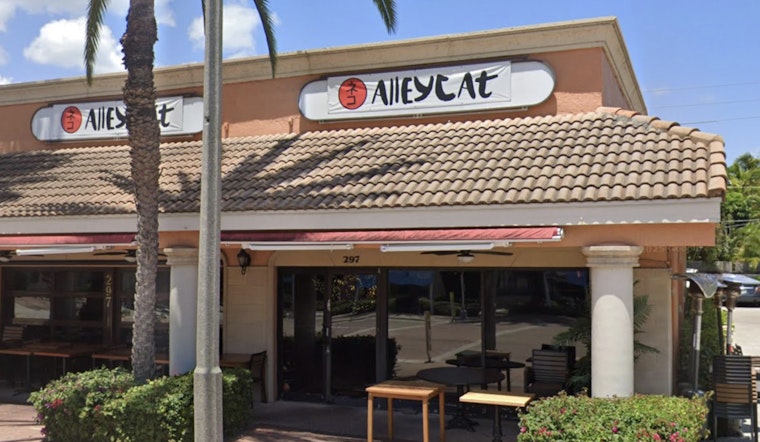
Alleycat in Boca Raton: Roaches on the Move, Fast Reopening
At Alleycat in Boca Raton, an April 10 inspection turned up live cockroaches under equipment and crawling along walls. Inspectors recorded seven violations, including one high-priority finding tied to roach activity. They also documented dead roaches and standing water on the floor near the stove, conditions that triggered a temporary shutdown until corrections were made. The restaurant complied, and a callback inspection on April 11 cleared it to reopen, according to reporting in the Palm Beach Post.
Why Inspectors Pull the Emergency Brake
Florida’s Division of Hotels & Restaurants treats each inspection report as a snapshot of conditions at the moment an inspector walks in. The agency issues emergency closure orders when high-priority violations pose an immediate danger to public health. Those high-priority categories include vermin control and improper hot or cold holding of potentially hazardous foods, and closure orders stay in place until a follow-up inspection confirms that the problems are fixed. The division outlines its violation levels and enforcement steps in detail on its public guidance pages.
Where This Fits in a Wider Trend
Tracking of DBPR inspection records shows emergency orders for pest activity and temperature failures remain a common enforcement tool across Florida in 2026, and pest activity continues to be a leading cause of forced shutdowns. Aggregated public data and watchdog databases flag dozens of emergency closures this year, a reminder of why regulators move quickly when roaches or flies turn up on or near ready-to-eat food. For statewide inspection summaries, diners and owners can look to independent trackers and the DBPR files.
What Diners Can Do Before They Sit Down
If you want to check a restaurant's current status or inspection history, you can search the Division of Hotels & Restaurants inspection and public records pages or call DBPR's consumer contacts to report concerns. Those official channels host inspection reports, stop-sale notices and complaint instructions so customers can confirm whether issues have been identified and corrected.



