

























































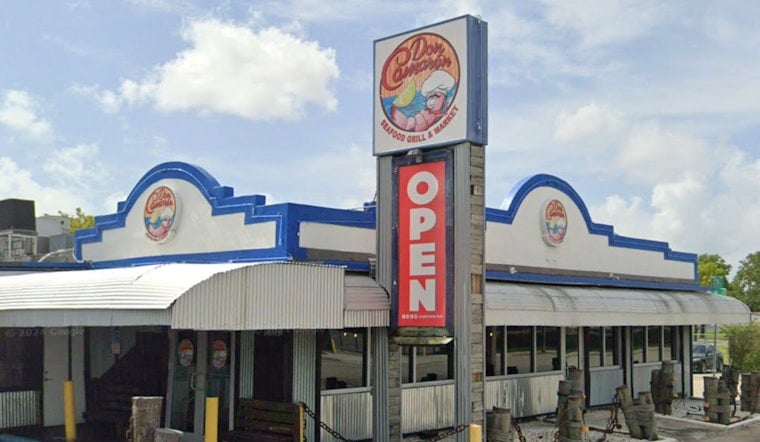
Don Camarón Seafood Grill & Market at 501 NW 37th Ave. was temporarily shut down after a state inspection uncovered 33 violations at the Miami restaurant. Inspectors reported live roaches, flies landing on food, and standing water throughout prep areas, issues serious enough to trigger several stop sale orders on food items.
Inspection Details
The closure followed an inspection prompted by a customer complaint, with state inspectors logging 33 violations and closing the restaurant on April 16, according to Local 10. The station reports roach activity in the seafood prep area, additional dead roaches elsewhere in the restaurant, and flies touching food contact surfaces and equipment. Inspectors also cited employees for handling raw seafood and ready to eat foods without washing their hands in between.
What The Report Shows
An inspection report obtained by the Miami Herald details more problems behind the scenes. Cutting boards were described as having deep, unrepairable cut marks. Walls were soiled with built up grease and food debris. Inspectors noted standing water "throughout the establishment prep areas."
The same report lists time and temperature violations that can let bacteria flourish. A small cook line cooler was reading 51°F, and several refrigerated foods were measured between 49°F and 52°F. A dented can of whole peeled tomatoes was placed under a stop sale order. Inspectors also flagged desserts, including tres leches and Hawaiian leches made on April 2, which were seven days past their seven day service limit by the time of the inspection.
Reopening And Enforcement
Coverage indicates Don Camarón was allowed to reopen only after cleaning up the cited issues and passing a follow up inspection, according to Local 10. The restaurant’s own website still lists the Miami location and posts regular operating hours, a sign that business has resumed.
What Stop Sale Orders And Closures Mean
Under Florida law, state inspectors can order stop sale on foods they determine are unsafe or unwholesome, and they can shut down restaurants that present a public health risk. The Florida Department of Business and Professional Regulation, or DBPR, spells out these enforcement powers in its hotel and restaurant statutes, available through Florida DBPR.
Concerned customers can look up inspection histories or file complaints through the department. The agency explains how complaints lead to inspections and follow ups on its website, and it accepts reports of potential violations directly through Florida DBPR.





