

























































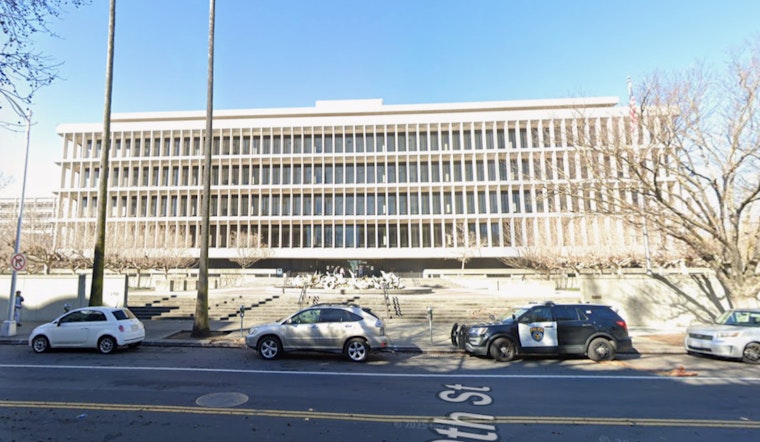
A high-stakes bid to wipe out California’s 11 percent excise tax on firearms and ammunition has landed in Sacramento Superior Court, where local gun ranges and a national gun-rights group are asking a judge to pull the plug without ever holding a full trial.
Plaintiffs including Poway Weapons & Gear and the Sacramento Gun Range, backed by the Second Amendment Foundation, argue that the levy effectively slaps a surcharge on the constitutional right to keep and bear arms. Their message to the court is blunt: the state is not allowed to put a price tag on a fundamental right.
The request comes in the case Poway Weapons & Gear v. Gonzales, where the plaintiffs have filed a motion for summary judgment that would erase Assembly Bill 28’s 11 percent surcharge, according to Tampa Free Press. Court records and the California Department of Tax and Fee Administration’s litigation roster show the parties agreed on a briefing schedule with briefs due April 10 and a demurrer hearing set for July 21, 2026, a timeline that could move the case through Sacramento Superior Court more quickly, per the CDTFA litigation roster.
“Fundamental rights cannot be hidden by the state behind a paywall,” Bill Sack, director of legal operations at the Second Amendment Foundation, told Tampa Free Press. The foundation, which joined earlier challenges to AB 28, has argued the excise “literally taxes conduct protected by the Second Amendment,” framing the law as a special financial burden on a core constitutional right rather than just another government fee.
The Law The Court Must Weigh
Assembly Bill 28, known as the Gun Violence Prevention and School Safety Act, tacks an 11 percent excise tax onto retail sales of firearms, firearm precursor parts and ammunition, effective July 1, 2024. The money is routed into a newly created state fund earmarked for violence prevention and school safety programs, according to the bill text.
Supporters have likened this structure to long-standing federal excise systems that channel money into conservation and grant programs, a comparison reflected in the statute’s official findings and purpose language. The measure’s details, including how the revenue is to be spent, are laid out in the official bill record.
How Plaintiffs Framed Their Case
Poway Weapons & Gear and SGR Ventures LLC, which operates as Sacramento Gun Range, are asking for a permanent injunction that would block enforcement of the tax and for refunds of any excise payments already collected. Those requests appear in their court filings and in a joint stipulation between the parties.
Their legal team, led by attorneys C. D. Michel and David H. Thompson, negotiated a coordinated briefing schedule that locks in deadlines for opening briefs, responses and cross-motions, as reflected in joint filings submitted to the court. In those papers, the plaintiffs press the judge to resolve the dispute on legal grounds now rather than send it into a full-blown trial.
What The State Says
California officials defending AB 28 describe the 11 percent charge as a modest and targeted excise tax aimed at creating stable funding for violence-prevention efforts, victim services and school safety initiatives, a policy goal spelled out in the bill text.
The statute directs all revenue into a dedicated Gun Violence Prevention and School Safety Fund and catalogs the types of programs that can tap into the money. In the state’s telling, AB 28 is a revenue tool for public safety investments, not a punitive strike at constitutionally protected conduct.
Why The Outcome Matters
To the plaintiffs, this is about far more than a new line on a receipt. They warn that if the state wins, lawmakers elsewhere could feel emboldened to impose special taxes on other kinds of constitutionally protected activity.
Supporters of the law counter that knocking out AB 28 would gut a fresh stream of funding dedicated to heading off shootings and supporting schools and victims. The Second Amendment Foundation and allied groups have cast the case as a direct test of whether states may single out a constitutional right for special taxation, a theme they have highlighted since the lawsuit was first filed.
Next Steps And What To Watch
The agreed-on briefing schedule puts most of the early action on paper. Plaintiffs’ written arguments were due in early April, and both sides have reserved dates through the summer for responses and cross-motions, capped by a July 21, 2026 demurrer hearing.
If the court grants summary judgment to the plaintiffs, collection of the 11 percent excise tax could stop and the state could face claims for refunds. If the state prevails, the tax stays in effect and the fight likely moves into more extensive proceedings or up to an appeals court. Either way, officials and gun dealers in other states are watching for clues about how far courts are willing to let lawmakers go in taxing gun-related activity.
For California gun shops and buyers, the question is immediate and concrete: will that extra 11 percent keep showing up on receipts or will a judge put it on ice? The answer will hinge on how the court applies constitutional doctrine, how it interprets AB 28 and how broadly it views the government’s power to tax conduct tied to fundamental rights.





