

























































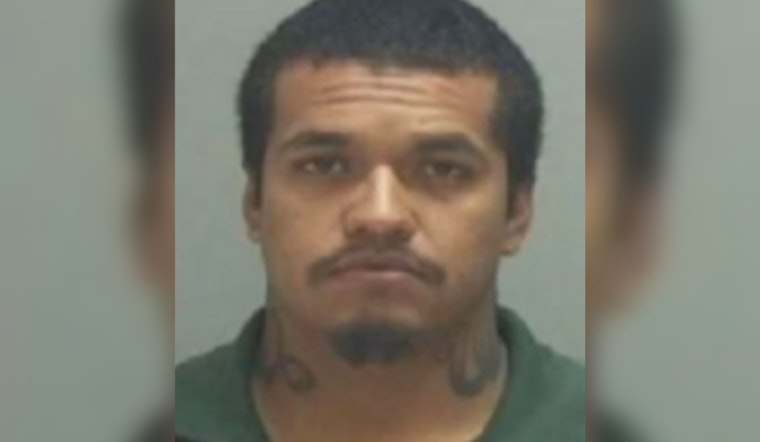
Nearly ten years after her 16-year-old son, Paris Gustin, was shot and killed on July 5, 2016, Ashley Carter is still waiting for a courtroom to fully take up the case. When authorities arrested Fortunato Villagrana in 2022 and charged him with the killing, she thought the long wait for answers might finally be ending. Instead, the case has spent years tangled in mental-competency questions and court delays.
According to KUTV, Villagrana was ruled incompetent in 2023 and, after multiple state evaluations, was later found competent earlier this year. Dr. Jeff Haun, who directs forensic evaluations at the Utah State Hospital, told the station, “It is essential, and it's fundamental in our law that people are competent.” The station reports that Villagrana is scheduled to return to court for a scheduling conference on April 6.
How competency rulings slow cases
Competency decisions center on whether a defendant understands the charges and can help a lawyer mount a defense. Once competency is questioned, it can trigger a cycle of evaluations, restoration plans, and repeated review hearings that stretch timelines long past what families expect.
Utah law spells out how courts and doctors are supposed to handle this process, including restoration treatment, periodic competency reviews, and the narrow situations where judges may authorize involuntary antipsychotic medication, according to the Utah Code. Judges are required to protect defendants’ rights and consider public safety, all while following specific timeframes for restoration and review.
Hospital capacity and backlogs
Capacity at the Utah State Hospital has long been a pressure point in this system. A 2015 class action lawsuit alleged that defendants ordered into restoration treatment faced waits of months before transfer, leaving many held in county jails during that time, as reported by Courthouse News Service. The state later expanded forensic beds and, following a legal settlement, increased admissions, according to KSL. Counties have also piloted jail-based competency units in an effort to cut down on waitlists. Even with those changes, advocates say the system’s limitations still heavily influence how quickly cases can move from evaluation to trial.
A mother's wait
For Carter, that systemic reality shows up as an open wound that never gets a clean bandage. “I feel like we're finally getting somewhere,” she told KUTV, although she said she is prepared for more setbacks. Villagrana was extradited from Mexico in 2022 and charged with the killing, a major development that still did not put an immediate end to the years of legal and medical review surrounding the case, as outlined by The Salt Lake Tribune.
Legal implications
When courts find a defendant incompetent, judges have only a few options: send the person to inpatient restoration treatment, keep the case under extended review, or, if restoration appears unlikely, pursue civil commitment. Utah’s rules on forced medication are especially strict and have been tested in court. The Utah Supreme Court examined those limits in the Barzee proceedings in the case State v. Barzee, as detailed by Justia. Defense lawyers and evaluators say the high legal threshold for involuntary medication underscores a constant tension between restoring competency and protecting medical rights.
What happens next: Villagrana is due back in court for a scheduling conference on April 6. If the court moves forward, the case could shift into pretrial scheduling, although any renewed challenges to his competency would likely push the timeline out again. Families and advocates argue that expanding forensic capacity, from additional state hospital beds to more robust jail-based programs, is the most direct way to shorten waits and finally give victims’ families the answers they have been waiting for years.




