

























































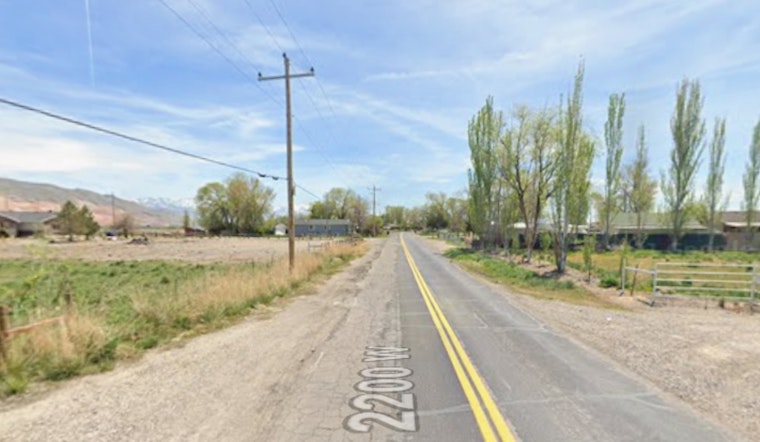
Salt Lake City's Northwest Quadrant is set for another round of industrial buildout after developers locked in financing for Northpoint Innovation Park, a roughly 94-acre campus just north of the city. Planned at 3200 N 2200 W, right next to Salt Lake City International Airport, the project is expected to deliver 15 pad-ready lots aimed at smaller industrial users, including light manufacturing, warehouse and research-and-development operations. The loan comes from a Utah-based community bank, with the amount kept under wraps. KSL reported that initial horizontal and infrastructure work is expected to take about 15 months.
Deal and financing details
According to JLL, the financing backs a 94.51-acre master-planned industrial park and folds in an Infrastructure Financing District municipal bond package to pay for roads, utilities and off-site connections. JLL said it arranged the loan on behalf of the borrower, a joint venture between OCC Industrial and Xcel Development.
The master plan splits the park into a mix of site formats: eight larger front-park, rear-load sites for more traditional industrial buildings, alongside five smaller, roughly one-acre sites that can function as yard or parking-heavy layouts. In a statement, JLL Senior Director Will Haass pitched the timing and positioning of the project, saying, "Northpoint Innovation Park represents a unique convergence of strategic location, proven sponsorship and exceptional market timing."
Location and market context
Local reporting has zeroed in on the project's freight and labor advantages. The park sits adjacent to the airport and, as JLL notes, is roughly a 10-minute drive from downtown. That combination of proximity to air cargo, highway access and the urban core is part of what is making the Northwest Quadrant the city's primary industrial engine.
The area already accounts for about 70 percent of Salt Lake City's industrial inventory, according to KSL, which makes Northpoint one of the last sizable chunks of land available for smaller industrial users. KSL also reported that a JLL spokeswoman expects initial infrastructure work at the site to wrap up in roughly 15 months, underscoring how quickly the pads could hit the market.
How the site was unlocked
Northpoint did not just appear on the market by accident. City planning work and zoning tweaks set the table for development by moving large pieces of agricultural land into industrial use. The adoption draft of the Northpoint Small Area Plan describes how Salt Lake City created a new M-1A light industrial zoning designation tailored to the area, while also outlining infrastructure needs for the broader district.
Coverage from BuildingSaltLake notes that the city approved annexation and rezoning of key parcels last year, a move that allowed landowners and developers to move quickly to bring tracts like Northpoint to market. That sequence of annexation, rezoning and now financing shows how fast the Northwest Quadrant is being repositioned as an industrial hub.
What’s next
With the loan in place, the next chapter is all about dirt and utilities. Horizontal improvements and utility installation are slated to kick off, with developers planning to market the pads once those backbone systems are in. JLL said its Salt Lake City leasing team, led by Managing Director Culum Mills, will handle marketing for the 15 pad-ready sites as they are brought online.
Brokers and local developers expect that airport adjacency, combined with shovel-ready sites, could appeal to regional distributors, light manufacturers and data center-support users looking to plug into the area's logistics network without having to build from scratch or fight for large-bay space.
Market implications
Northpoint is arriving in an industrial market that has been sending mixed signals. New deliveries across the region pushed vacancy higher in 2025, even as demand for small-bay spaces and well-located infill sites has remained solid. A recent market report from Cushman & Wakefield highlighted an uptick in overall vacancy late last year, underscoring why some developers still see opportunity in converting newly annexed land into modern industrial product.
For nearby residents and city officials, the focus will land on how the Infrastructure Financing District-backed improvements are managed in real time. New roads, utility corridors and shifting traffic patterns could reshape daily life around the Northwest Quadrant as construction ramps up, even as proponents argue the park will lock in long-term jobs and tax base for the city.




