

























































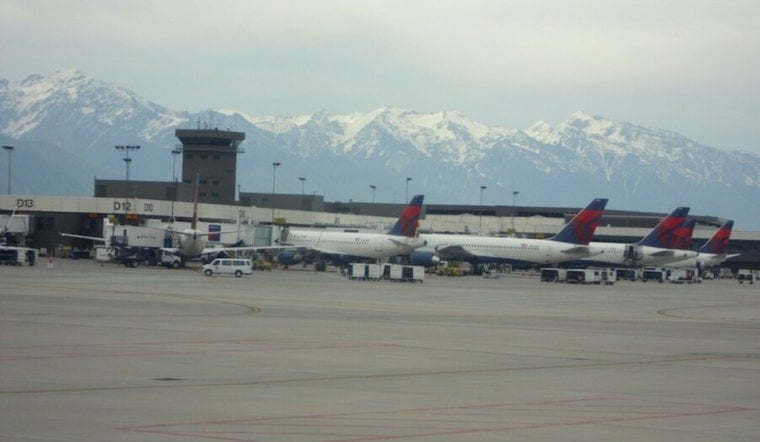
After nine years on the job, a lead Transportation Security Administration officer at Salt Lake City International Airport walked away rather than keep showing up for unpaid shifts during the partial Department of Homeland Security funding lapse. Weeks of missed paychecks, mounting bills, and thinning staff at security checkpoints pushed him to resign. He has since moved into a customer liaison role at the airport while he looks for steady, reliable pay.
Why he left
Robert Echeverria told KGW he decided to resign rather than keep working without a clear promise of pay after weeks of missed checks. He said the strain at home reached a breaking point, describing how his wife “went to sleep crying” as they worried about how to put food on the table. Echeverria began looking for other work three weeks into the shutdown, according to the report, and now works in a customer-liaison position at the airport while he searches for longer-term stability.
How pay arrived - and why problems persist
The partial DHS funding lapse started on Feb. 14, and by late March, the White House moved to authorize payments to TSA staff in an effort to ease growing airport bottlenecks. As reported by AP, an executive action directed funds toward TSA operations, and many officers began receiving partial backpay that helped shorten some of the worst security lines. Union leaders and agency officials warned that backpay does not instantly fix missed bills, unrecovered overtime, or the operational gaps left by employees who have already walked away.
Local strain and community response
Salt Lake City’s airport turned an office into a small food pantry stocked with nonperishable goods, diapers, and gas and grocery gift cards to help federal screeners who kept reporting for duty without pay, as per Hoodline. Airport officials and city leaders set up the pantry so employees could quietly pick up essentials when they needed them. Local reporting by KPCW documents that Echeverria and other officers left in the weeks after pay stopped, which increased strain on some checkpoints. Airport leaders say operations remain vulnerable if attrition continues, even with recent pay deliveries.
Union numbers and staffing
AFGE Local 1127 represents TSA screeners in Oregon and surrounding states, and union leaders there have been warning about staffing shortfalls at Portland and Salt Lake City checkpoints. Agency counts and reporting show hundreds of TSA employees resigned or shifted to other jobs once paychecks were interrupted; the Associated Press reported that "more than 500" officers left during the unpaid stretch, and local outlets note that some teams - including Echeverria’s - have lost more than 100 officers since last fall’s shutdown. Union and airport officials say restoring pay alone may not be enough to quickly rebuild staffing levels or morale.
For travelers, the worst of the long lines eased where screeners received back pay, but local officials and unions say the agency faces a longer road to replace experienced officers and restore confidence. Echeverria’s exit after nearly a decade on the front line underscores how repeated funding lapses can drive seasoned workers out of a system already stretched thin, leaving airports to juggle stopgap fixes and community aid while lawmakers hash out longer-term funding.





