

























































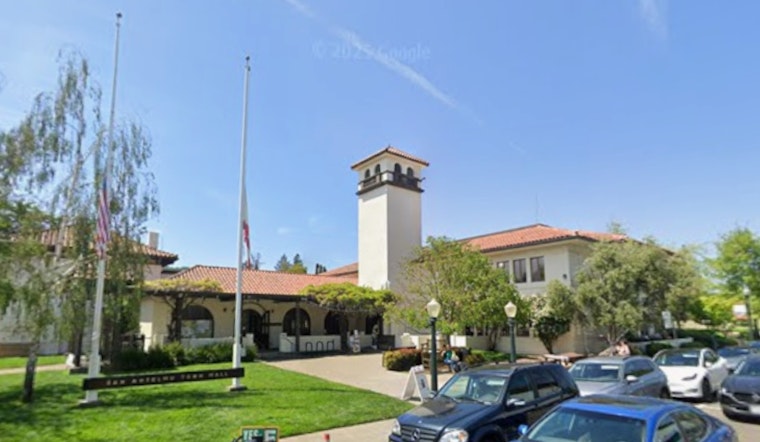
The Central Marin Police Authority has agreed to pay $3.15 million to a San Anselmo man who says officers hit him with a Taser while he was coming out of a grand mal seizure in his own bedroom. The settlement stems from a frantic 911 call on Aug. 29, 2022, and the body‑camera footage that followed, and it is putting fresh heat on how small Bay Area police agencies handle medical emergencies.
Settlement and reaction
The $3.15 million settlement was approved last Thursday in Marin County Superior Court, according to plaintiff attorney David Fiol. "We're satisfied with the result," Fiol told reporters, saying the payment shows the agency "fell far short of expectations." As KTVU reported, Fiol said the agreement brings the civil lawsuit that followed the 2022 encounter to a close.
What the body cameras show
Body‑camera video and reports from the time show Bruce Frankel beginning to rouse from a grand mal seizure as his partner called 911. Disoriented and partly dressed, he moved unsteadily around his bedroom. Officers entered seconds later; in the footage, one officer can be heard assuming Frankel was intoxicated before firing a Taser. Frankel then fell, hit his head and was taken to MarinHealth, after which he was booked into jail and later released. The San Francisco Chronicle has published detailed descriptions of the body‑camera recordings and the couple's account.
Police stance and internal review
Central Marin Police Chief Michael Norton did not immediately respond to the settlement, and the department had previously said it would vigorously defend the officers' actions. Attorney Alison Berry Wilkinson, representing several of the officers, told reporters that an internal review concluded the force used was justified and described the lawsuit as outrageous. Fiol told the station that he is still troubled by the apparent lack of significant personnel consequences. KTVU also reported that Frankel incurred about $10,275 in criminal‑defense costs before the Marin County district attorney decided not to file any charges.
Why the case matters
The case has sharpened debate over training and how officers are expected to tell the difference between a medical emergency and criminal conduct. The Chronicle noted that California Peace Officer Standards and Training materials flag disorientation, unsteady walking and slurred speech as classic signs of a seizure, which typically call for a medical response rather than force. Researchers and policy analysts have also warned about health risks when conducted‑energy weapons are used on medically vulnerable people. The Council of Canadian Academies' 2013 assessment and a commentary in the American Heart Association journal Circulation both discuss potential cardiac and other harms. For those who want to dig into the technical details, see the Council of Canadian Academies report and the Circulation article via PubMed.
What Frankel sought and next steps
Frankel filed his lawsuit in April 2024, alleging battery, false arrest and defamation. His legal teams at Brent & Fiol and Altair Law said from the outset that they wanted the case to drive better training for officers responding to medical calls. With the settlement now in place, Frankel and his attorneys say they hope the financial hit will push the agency toward policy and training reforms, even as they argue that serious questions linger about internal discipline and oversight. A summary of the lawsuit and related coverage is available through Brent & Fiol, which includes court filings and background on the case.




