

























































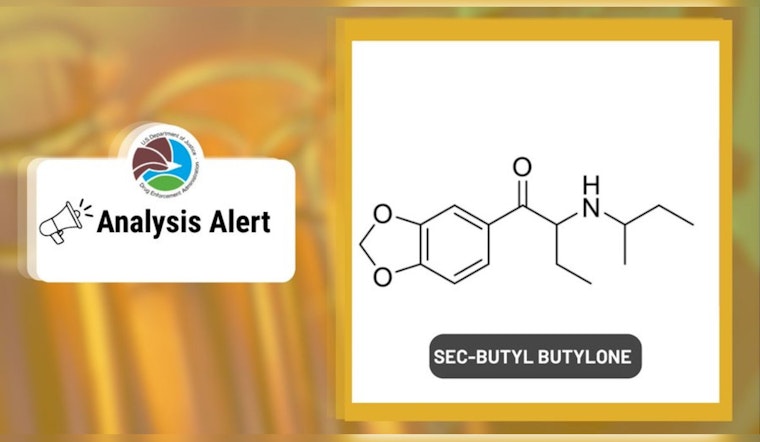
A low-profile Florida drug bust last fall has turned into a new headache for toxicologists, and now Seattle is on alert. Federal forensic labs have identified a previously unseen synthetic cathinone, sec‑Butyl Butylone, after analyzing a white powder seized in Florida in November 2025. The Drug Enforcement Administration's overdose-surveillance team flagged the compound in an internal bulletin in March, and the agency's Seattle field office boosted that warning this week. Local labs, first responders and harm-reduction groups have been urged to keep an eye out as testing ramps up.
DOSE bulletin details
The DEA circulated a DOSE (DEA Overdose Surveillance Exchange) bulletin that spells out the chemical name and molecular data labs need to spot sec‑Butyl Butylone on their instruments. According to DEA, the sample was a white powder seized in Florida in November 2025, and this is the first time the compound has been reported in the United States.
The bulletin also notes that reference material for sec‑Butyl Butylone was not commercially available as of March 11. That gap can slow down confirmation work for local and regional laboratories that rely on reference standards to confidently identify novel substances.
Why experts are watching
Synthetic cathinones, often marketed as "bath salts" or passed off as MDMA, are notorious for powerful stimulant effects and unpredictable toxicity. They have been linked to emergency department visits, hospitalizations and deaths.
Federal health officials have already watched one related drug, eutylone, surge through the illicit market. The CDC found rapid increases in eutylone detections and reported that many cathinone-involved deaths occurred alongside illicitly manufactured fentanyls, which raises the risk of a fatal overdose. That context is part of why a Florida seizure that was suspected to contain fentanyl, and then turned out to include sec‑Butyl Butylone, is getting extra scrutiny.
Public health and law enforcement partners rely on rapid toxicology and fast information sharing to track these fast-moving drugs before they quietly spread.
Local angle for Seattle
The DEA's Seattle field office amplified the alert this week so local partners would not miss it, as DEA Seattle posted on X. The move fits a familiar pattern for the region, where monitoring networks along the West Coast have seen a steady churn of new or shifting compounds in the drug supply.
The National Drug Early Warning System's January sentinel report cited sporadic detections of emerging substances and highlighted the need for updated laboratory reference spectra. That combination - a novel stimulant plus limited reference materials - is exactly what DOSE bulletins are built to address.
What responders and the public should know
According to the bulletin, DOSE alerts are meant to push spectral data and hazard information into the hands of forensic chemists, public health partners and first responders so their testing and response protocols can be updated quickly.
Because synthetic cathinones can be mixed with opioids such as fentanyl, responders and bystanders are urged to treat suspected overdoses as medical emergencies. Call 911, and if opioid involvement is suspected, administer naloxone while waiting for emergency care, since naloxone can reverse opioid-related respiratory depression.
Local harm-reduction groups and drug-checking programs can help identify unexpected adulterants in street supplies and offer safer-use guidance to people who use drugs.
For more background on cathinones and safety steps, see NIDA and local health department guidance. If you or someone you know may have been exposed to an unknown substance, contact emergency services or local health care providers immediately.





