

























































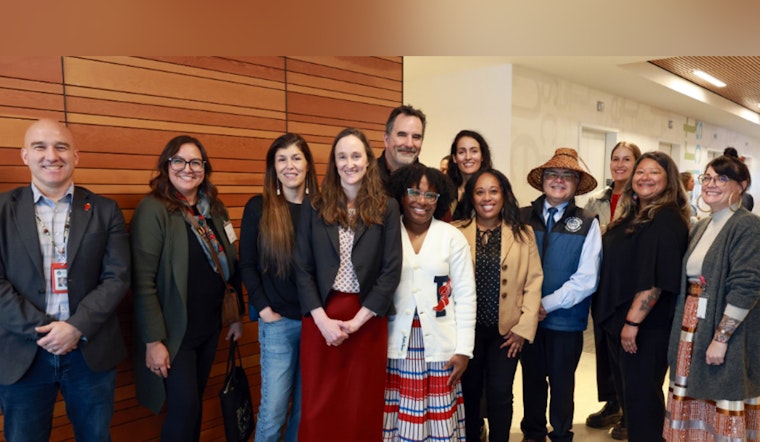
Seattle is steering $5.5 million from its payroll expense tax into a new First Peoples Climate Fund, sending money to tribal governments and Indigenous-led organizations across the region. Seven grantees made the cut, with projects that span building decarbonization, heat-pump installations, Native food systems and new resilience hubs. City leaders are pitching the fund as a way to put Indigenous leadership, ancestral knowledge and workforce development at the center of local climate action.
The grants include two $1 million awards to the Suquamish and Snoqualmie tribes, a $1 million grant to Feed Seven Generations, about $830,000 to the Seattle Indian Services Commission, nearly $750,000 to Chief Seattle Club, and $500,000 each to Cattail Rising and the yəhaw̓ Indigenous Creatives Collective, according to The Seattle Times. All told, the city is moving $5.5 million from its payroll expense tax bucket for climate and equity programs into Native-led climate work.
Seattle Foundation To Develop And Administer Grants
The city tapped Seattle Foundation to design and administer the First Peoples Climate Fund in partnership with the Office of Sustainability & Environment, as outlined on the city's Greenspace blog. OSE acting director Lylianna Allala and Seattle Foundation president Alesha Washington described the program as co-designed with Tribal leaders and rolled it out at a public event that also featured a commissioned mural for the fund. The setup is being watched as a test case for what shared grantmaking between government and philanthropy can look like in practice.
What Grantees Will Do
Grantees laid out a slate of projects to match the money. The Suquamish Tribe plans to use its $1 million to expand decarbonization and workforce development after installing heat pumps in more than 55 elders’ homes. Feed Seven Generations will support Native food producers and build K–12 curriculum focused on native plants. Cattail Rising is set to coordinate intertribal youth programming, while yəhaw̓ aims to develop a resilience hub and Indigenous arts campus. Many of the project details and award amounts were described by The Seattle Times, with organizers saying the mix of cultural and technical work is designed to produce durable, community-centered climate solutions.
Fund Origins And Oversight
City officials say the First Peoples Climate Fund grew out of recommendations from the Green New Deal Oversight Board and was built using payroll expense tax revenue that had already been earmarked for climate and equity programs, according to the city's Greenspace post. The board and city leaders cast the funding as a chance to center Tribal sovereignty in Seattle’s climate strategy and to try out Indigenous-led grantmaking practices. Seattle Foundation and its city partners say they plan to share updates publicly as projects move forward.
Why It Matters
Advocates argue the fund directs resources to Indigenous communities that are often hit first and hardest by climate impacts, while also backing solutions that range from heat-pump installations and building decarbonization to food sovereignty, youth leadership and cultural resilience. Supporters say the real test will be in the follow-through, including how quickly projects roll out and how transparent the reporting is. City officials and fund partners expect most efforts to get underway this year and to report outcomes publicly, which will help determine whether the First Peoples Climate Fund becomes a template for getting public climate dollars into Tribal and urban Native priorities.





