

























































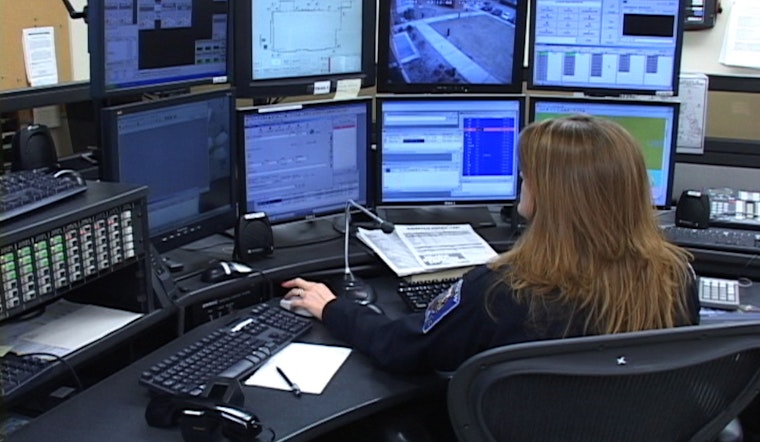
San Francisco is closing in on the finish line for a long-running, city-owned emergency communications network that officials say will keep first responders talking when commercial systems choke or crash. The underground fiber digital highway is designed to pull police, major hospitals and most fire facilities onto a single, redundant backbone built for video, data and voice in the middle of a disaster. City leaders are pitching it as the latest chapter in decades of communications upgrades meant to avoid the kind of breakdowns that have followed major earthquakes in the past.
City Tech Boss Says 25-Year Push Is Finally Paying Off
City technology leaders describe the buildout as a multi-decade, mostly underground effort to give emergency crews high-speed, resilient connectivity that is not at the mercy of commercial carriers. Michael Makstman, the city’s chief information officer, has likened it to a digital highway engineered for video, audio and other modern emergency data, and officials say police and hospitals are already riding that network while the remaining fire sites are queued up to join soon. Those details were reported by CBS San Francisco.
Fire Rollout: Rings, Stations And The Countdown Clock
The San Francisco Fire Department’s latest project update shows crews stringing outside fiber, shifting multiple stations over to the new system and finishing several of the planned fiber “rings,” with full completion currently projected for April 2026. The department lists Stations 6, 11, 24 and 26 among the early adopters already migrated, and municipal planning documents put the city’s portfolio at roughly 45 active fire stations. Those operational details are laid out in the San Francisco Fire Department’s report and a city planning/CEQA document.
Built To Keep Calls Moving When Networks Stall
Assistant Deputy Chief Garreth Miller told CBS San Francisco the new setup is “entirely independent” of commercial carriers, with fire traffic prioritized so crews are not fighting everyday cell users for bandwidth during an emergency. That separation from consumer systems is meant in part to avoid a repeat of a March cell outage that, according to Mission Local, left some residents dealing with dropped or delayed 911 calls. City officials say the dedicated fiber and multiple redundancy layers are intended to keep dispatch, video conferencing and other disaster-operations tools running precisely when they are needed most.
Next Up: A New CAD To Match The New Wires
On a separate but closely linked track, officials say a new Computer-Aided Dispatch (CAD) system is coming and will be a key follow-on to the fiber work, with expectations that it will materially boost reliability and coordination within about a year. The Board of Supervisors has signed off on a 2024 amendment that raises the contract cap for the CAD and mobile system to roughly $44.8 million, covering implementation as well as long-term support. Project briefs and budget materials from the city’s Committee on Information Technology describe the CAD replacement as a multi-department modernization tied into broader network remediation and resilience efforts; see the Board of Supervisors resolution and the COIT presentation for details.
What San Franciscans Should Expect
Once the fiber network and CAD upgrades are fully in place, officials say dispatchers should see richer data from callers, field crews should get faster and more reliable routing and the city should be better positioned to coordinate multi-agency responses. City leaders caution that technology alone will not fix challenges like staffing, training or backup power, but say the new infrastructure is a tangible step toward lowering the odds that a future quake or citywide outage knocks 911 operations offline. In the meantime, the near-finish timelines mean residents can expect the system to get some real-world shakedown tests in the coming weeks as the final stations and fiber rings are brought online.





