

























































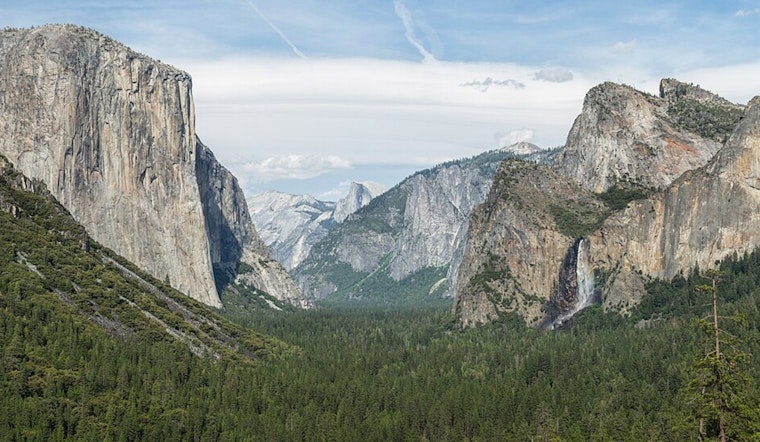
Yosemite is showing off right now, with roaring waterfalls and lush spring scenery, but park officials say those postcard views are hiding serious danger. The same snowmelt that makes the park gorgeous is also supercharging rivers, creeks and falls, turning casual strolls near the water into life-threatening situations for anyone who gets too close.
Park messages and local coverage are not sugarcoating it. “Right now, every stream in Yosemite is running fast, high and cold,” and visitors are being urged to stay well back from the edges of rivers and waterfalls, as reported by The Fresno Bee. The National Park Service warns that mountain water is “extremely cold” and that even strong swimmers can be quickly incapacitated, and Yosemite Search and Rescue links roughly 15 to 20 water rescues each year to unprepared visitors, per the National Park Service. In short, those calm-looking pools and scenic banks are a lot more hazardous than they appear from the trail.
Why Snowmelt Makes Rivers Suddenly Dangerous
When warm spring weather hits the Sierra, the snowpack starts to liquefy in a hurry. Huge volumes of runoff rush into narrow channels, boosting flow and creating powerful, constantly changing currents. The Sacramento office of the National Weather Service has warned that many points in local waterways are still below 60°F, cold enough to interfere with breathing and muscle control, according to CapRadio. State water managers add that dam releases and fluctuating reservoir levels can transform familiar swimming or boating spots into unsafe conditions with very little warning.
How Cold Water Can Incapacitate Even Strong Swimmers
Cold water does not just feel uncomfortable; it can shut a person down fast. Immersion can trigger a “cold shock” response, a sudden gasp and rapid, out-of-control breathing that can lead to drowning within minutes, long before hypothermia settles in. The Department of the Interior’s life support handbook notes that immersion below about 59°F can cause immediate breathing problems, and that survival times in near-freezing water are on the order of 30 to 90 minutes, underscoring how quickly someone can lose the ability to self-rescue. The Department of the Interior points out that a proper personal flotation device dramatically increases the odds of surviving a cold water emergency.
What Park And State Agencies Are Telling Visitors
Safety advice from agencies is straightforward and not especially glamorous, which is exactly the point. Wear a properly fitted life jacket when you are near rivers or reservoirs, check current river conditions before heading out, skip the alcohol and keep a very close eye on children. The California Department of Water Resources offers similar guidance and urges recreators to stay alert for cold, fast, and fluctuating water conditions and to know their GPS location while on the water, per the California Department of Water Resources. Yosemite officials also stress obeying every posted sign, staying out of closed areas and giving the edge of any river a generous buffer.
A Sober Reminder From A Recent Tragedy
The risk is not theoretical. In early April, a 5-year-old drowned at Shasta Lake after entering the water without a life jacket, authorities said. “Before the parents could remove the juvenile from the water to put on his personal flotation device, he had gone underwater,” the Shasta County Sheriff’s Office told the San Francisco Chronicle, a stark reminder of how quickly an ordinary family outing can turn tragic. Officials say incidents like this highlight the need to treat cold water as seriously as any other major hazard.
For anyone heading into Yosemite this spring, the takeaway is simple, even if the setting is spectacular. Treat the water like an engineered hazard, wear a life jacket, scout access points from a safe distance and tell someone your route and expected return time. For more context and links to official notices, see reporting from the Fresno Bee and guidance from the California Department of Water Resources.



