

























































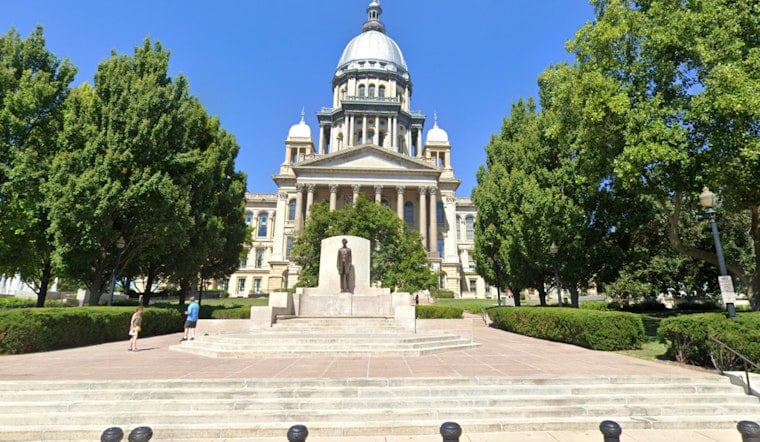
Illinois lawmakers have taken direct aim at what critics call “backdoor” police quotas, passing a bipartisan bill that would stop municipal departments from using so-called “points of contact,” such as traffic stops or arrests, to rate officers. Supporters say the move closes a loophole that allowed indirect quotas and pushes performance reviews toward legality, judgment, problem solving, community outcomes and case quality instead of raw numbers.
House Bill 5011, filed by Rep. Patrick Sheehan (R-Homer Glen), would amend the Illinois Municipal Code to strip out language that lets municipalities evaluate officers based on those contact tallies, according to the Illinois General Assembly. The bill status shows the measure sailed through the Illinois House on April 8 with a 107-0 vote, then was sent to the Senate on April 10, with Sen. Michael W. Halpin listed as the chief sponsor on that side of the Capitol. Dozens of lawmakers from both parties signed on as co-sponsors as the proposal advanced.
Sheehan, who is also a suburban police officer, cast the bill as a reset in how departments judge their own. “Performance should be judged on the legality, judgement, problem solving, community outcomes and case quality, not how many people an officer stops or detains,” he told WAND. The proposal cleared the House Police & Fire Committee unanimously, although some law enforcement leaders warned that tossing out contact counts could make it harder to spot trouble. Former Elmhurst Police Chief John Milner cautioned that the change would remove a tool departments use to identify outliers and training needs.
What the Bill Would Change
On paper, HB5011 takes direct aim at the section of 65 ILCS 5/11-1-12 that lets cities and villages tally and compare officers’ “points of contact,” a category that can include stops, citations, written warnings and arrests. The synopsis on the legislature’s site frames the amendment as eliminating that statutory permission for comparisons, according to the Illinois General Assembly. Backers say the tweak is intentionally narrow but could nudge departments to drop volume-based scorecards in favor of measures tied to case quality and community outcomes.
Local Context
Fueling the push are local cases and community complaints about quota-style policing. Fox 32 Chicago recently reported that the city paid nearly $1 million to settle a lawsuit tied to alleged quota practices. Advocates say HB5011 would also close a workaround to a 2015 state law that banned direct ticket and arrest quotas, a point highlighted in local coverage by WAND. Police groups counter that departments still need data-driven indicators to flag problematic officers and warn that, if the law changes, agencies will likely be looking to Springfield for guidance on what can replace those metrics.
Next Steps
With HB5011 now in the Senate, the bill still has to clear committee hearings and win approval on the floor before it can land on the governor’s desk. If it passes, observers expect municipalities to start rewriting officer evaluation policies, although the real test will be what local departments choose to plug in where those points-of-contact numbers used to be.



