

























































St. Charles City Council’s Committee of the Whole on Monday gave its blessing to a three-year extension of the school resource officer program along with an updated security-camera access agreement that would run from July 1 through June 30, 2029. The proposal would keep four full-time SROs in place, one assigned to each of the district’s two high schools and two middle schools, and spell out when police can view live or recorded school video. The package still needs a final vote from the full City Council.
According to City of St. Charles materials, the current SRO framework was formalized in a 2023 agreement that placed officers at St. Charles North and East and at Thompson and Wredling middle schools, and required the district to reimburse most officer costs. Those documents also noted the addition of body-worn cameras and clarified that FOIA and student-privacy confidentiality rules govern footage. City staff told the committee the new extension largely tracks with the prior agreement while updating cost and pension calculations.
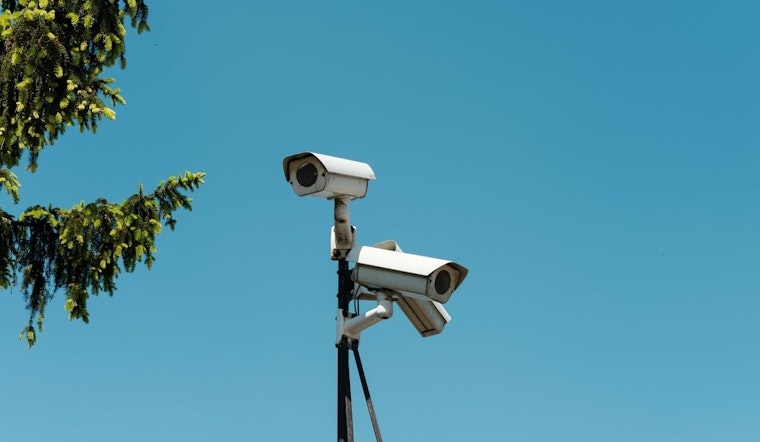
As reported by the Kane County Chronicle, committee members supported a package that includes a reciprocal reporting memorandum and a camera-usage pact giving police access to real-time video and recorded footage in specific situations. Police could tap into cameras during emergency calls or incidents posing an imminent threat to people or property, and could also view footage at the superintendent’s request or for investigations and training. The proposed agreement explicitly bars officers from accessing camera feeds from inside school buses.
District 303’s website lists the four secondary schools that would continue to host SROs, St. Charles North High School, St. Charles East High School, Thompson Middle School, and Wredling Middle School, and identifies the district office at 201 South 7th Street in St. Charles. The district says embedded officers routinely support both security operations and prevention work on campus. Administrators and police describe the arrangement as a partnership that combines daily presence with response capabilities when incidents arise.
How cameras would be accessed
City materials reviewed by officials outline a narrow set of conditions under which police may access school cameras, with an emphasis on emergency response and investigative needs rather than routine monitoring. The camera-usage agreement would allow law enforcement to view feeds in real time and to pull recorded images when there is an imminent threat, but access typically requires written justification and, in many cases, a request by district leadership. City staff said the policy is intended to balance quicker response times with protections for student privacy.
Price tag and personnel costs
The package carries a near-term price tag of roughly $518,686 in its initial year, with projections rising to about $574,104 by the 2028-29 school year, according to the Kane County Chronicle. The paper reported an initial base annual wage of about $129,733 per officer, with a projected increase to roughly $138,302 by 2028-29, and estimated police pension contributions per officer climbing from $27,114 for 2026-27 to about $30,426 by 2028-29. City staff told the committee those increases reflect market and pension pressures rather than any change in the number of officers assigned to schools.
Privacy and community concerns
Civil-liberties groups and researchers caution that expanding school surveillance can carry unintended harms, from chilling student expression to creating data-security risks. A 2023 ACLU report on education-technology surveillance urged districts to weigh those tradeoffs carefully and to include students and the broader community in decisions about camera access and other monitoring tools.
What comes next
The committee’s endorsement sends the package to the full City Council for a final vote. Council meetings are held at City Hall and are open to the public. If approved, the extension would take effect July 1 and run through June 30, 2029, keeping the four SROs in place and formalizing the updated camera-access rules and cost schedule for the coming three years.





