

























































St. Louis officials now acknowledge that two men living outdoors in the city died from hypothermia during this past winter, stark reminders of how deadly the cold can be for people without shelter.
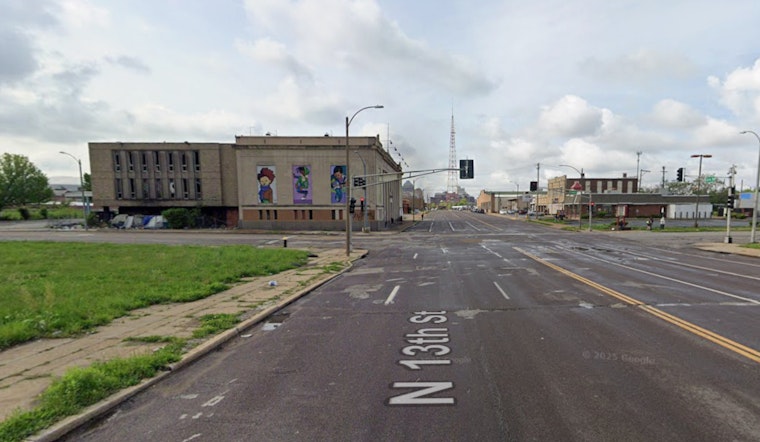
According to the city, the men were identified as Willie Hurst, who was found on Nov. 2, 2025, at Pine Street and North Broadway, and Duan Coleman, who was found on Jan. 26, 2026, at North 13th Street and Cass Avenue. The medical examiner certified the causes of death on Dec. 11 and March 27 and noted that both men had co-morbidities.
As reported by St. Louis Magazine, the city’s Department of Human Services reached out to the outlet to correct a line in earlier coverage and to confirm the two cold-related deaths. In a message to the magazine, DHS spokesman Ryan Sheehan said the city “doesn’t proactively share information about deaths” as a matter of policy. The disclosure followed the magazine’s reporting on the city’s Code Blue winter plan and the outreach it sparked to people living on the street.
Code Blue Activations and Capacity
Per the City of St. Louis Homeless Services page, the city moved through multiple Code Blue activation levels over the winter and at times brought hundreds of emergency shelter beds into service. The city posted that level 4, which triggers when temperatures dip below freezing, brought surge capacity that put more than 600 emergency shelter beds online and added transportation to shelters during major cold snaps. Outreach teams and daytime warming-center notices were also part of the department’s posted winter plan.
Encampment and Warming-Structure Debate
A makeshift wooden warming structure at the large encampment near 10th Street and Cass Avenue became a flashpoint when the St. Louis Fire Department condemned it for safety and permitting concerns. KMOV reported that the structure, built by TinyHomeSTL, was cited as a fire hazard even as advocates argued it provided crucial short-term refuge. The encampment turned into a symbol of the larger fight over whether shelter capacity and outreach were truly matching the needs of people sleeping outside.
Providers Praise Code Blue, Call for Transparency
As St. Louis Magazine reported, many shelter providers credited the Code Blue rollout with better coordination and with getting more people into beds. At the same time, some providers urged the city to be more transparent about deaths among unhoused residents.
Anthony D’Agostino of Peter and Paul Community Services told the magazine he only recently learned of Coleman’s death and said the city should give people who die on the street the “dignity” of an identified public notice. The magazine also reported that city budget director Paul Payne told the Board of Estimate and Apportionment that the FY2027 proposed operating plan includes $2 million for Human Services to run Code Blue. The program is credited with helping more than 1,000 people and providing roughly 20,000 bed nights.
Why Hypothermia Remains a Threat
Health officials note that hypothermia can be fatal even when temperatures hover near freezing because underlying illness, substance use, and other comorbidities can sharply increase vulnerability. The CDC has identified homelessness, alcohol or drug intoxication, advanced age, and chronic medical conditions as key risk factors for fatal hypothermia. That mix of medical and social risk helps explain why advocates warn that relatively small shifts in the forecast can become life-threatening for people sleeping outdoors.
Advocates say the two deaths underscore how razor-thin the margins are for people without stable housing and are pressing city leaders to pair sustained funding with clearer public reporting. City officials and service providers are expected to keep debating how funding, outreach, and public notice should evolve as the FY2027 budget moves forward.





