

























































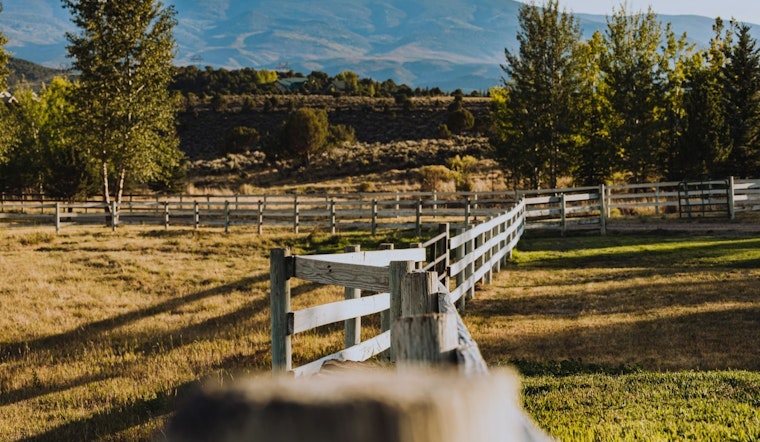
A 68-acre horse farm in unincorporated Crete is prepped to become a long-term recovery campus for men, but organizers say construction is stuck at the starting gate because of a funding gap. Founder Jim O'Connor, who runs the Second Story Foundation, told Fox 32's "The Chicago Report" that the campus is ready to break ground as soon as enough capital comes through, pairing long-term housing with job training and supportive services.
Fox 32: Founder says funding is the holdup
As reported by FOX 32 Chicago, O'Connor appeared on The Chicago Report on April 9 to lay out why the plan has not moved forward and to press his case that opioid settlement dollars could get the campus built. The segment described Second Story Ranch as a recovery campus centered on housing, job training and stability for men in recovery.
What the campus would include
According to a press release from EIN Presswire, plans call for a 7,000-square-foot lodge and dedicated residences on the 68-acre site, with space for roughly 14 to 15 men at a time. The Daily Southtown reports that the project currently has about $500,000 in private pledges and a $250,000 Will County opioid grant, while leaders peg the total construction budget at about $4.25 million.
Local approvals and zoning
The Will County Board signed off on a special-use permit for the ranch in September 2025, approving it on a 17 to 2 vote after public hearings that brought out both supporters and critics, Beecher Local reported. Planning documents from Crete Township list the proposal as a pre-application for 2400 Bemes/Bemis Road, the former Double Dakota harness-training facility, and describe staff conditions tied to the approval. Officials attached several conditions, including compliance with public-safety agencies and limits on the number of dwellings allowed on site.
Where the money might come from
Organizers have argued that the ranch lines up with the goals for opioid remediation spending. The Daily Southtown notes that Illinois has received more than $500 million in opioid settlement money so far, while national litigation and settlements involving manufacturers and distributors have generated tens of billions of dollars overall, according to the opioid settlement tracker.
Leadership's pitch
“The Second Story Ranch will give men entering early recovery a safe home, a community to belong to, and the time they need to heal,” O'Connor said in the foundation's capital-campaign release, a statement carried by EIN Presswire. That is the vision backers are asking donors and public officials to buy into.
How the ranch operates now
For now, the property still functions as a working horse farm that offers jobs and daily structure for men in recovery, the foundation's website says. Participants earn steady work on the farm and learn skills in carpentry, land management and equine care while living in recovery housing in nearby communities, according to the Second Story Foundation.
Neighbors raised concerns
During zoning hearings, some local residents and township officials raised compatibility and safety concerns, arguing that a rural setting was not the right place for a group home, Beecher Local reported. The foundation and its attorneys responded that applicants would be screened and that men with violent or sexual offenses would not be accepted into the program.
Next steps and timeline
The foundation launched a public capital campaign in December to close the remaining funding gap and says it will keep pursuing private donations, county grants and settlement dollars to move the project forward. Organizers maintain that construction can begin as soon as enough capital is committed, with the ranch set to open once the lodge and residences are finished.
For now, Second Story Ranch stands as a test of whether rural land in the south suburbs can host structured, long-term recovery housing and whether opioid settlement and grant funding can turn a shovel-ready blueprint into an operating campus.





