

























































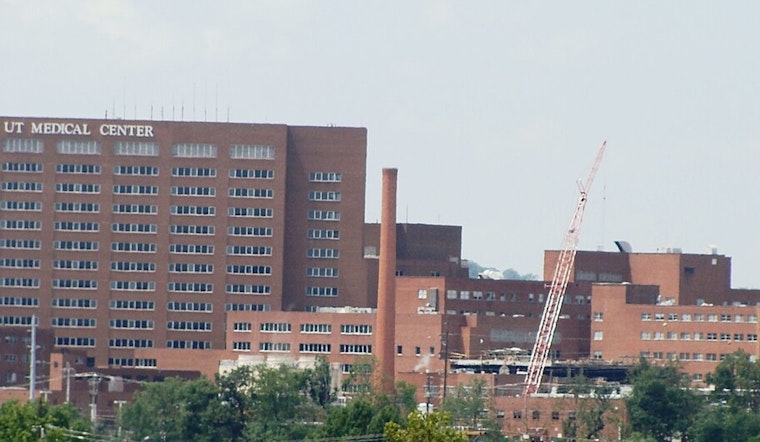
Tennessee is betting big on Memphis’ Medical District, approving $311 million in state funding for a new College of Medicine Interdisciplinary Building on the University of Tennessee Health Science Center’s campus. With university support folded in, the project’s total cost lands around $350 million. State and university leaders say the goal is straightforward and ambitious at the same time, increase training capacity, grow medical school class sizes, and roughly double the physician assistant program in an effort to ease a Tennessee physician shortage that hits rural counties hardest.
The State of Tennessee budget lists a $311 million appropriation for the UTHSC project and shows a $350 million total price tag, with about $39 million coming from university funds, according to the State of Tennessee. The line item appears in the capital outlay section for fiscal year 2026–27 and sits inside a broader slate of higher education investments in the governor’s budget.
Campus site and design
On campus, the roughly 275,000 to 300,000 square foot building is slated for the green space between the College of Pharmacy at 881 Madison Avenue and the former Holiday Inn at Madison and Pauline. Plans call for interdisciplinary simulation labs, digital health and innovation space, and areas for partners to plug into training and research activity. The university has tapped HOK, working with Memphis-based brg3s, for programming and early design work, and is pitching the facility as a central hub to modernize medical training on the Memphis campus, according to UTHSC News.
Speaking at a community forum earlier this week, College of Medicine executive dean Dr. Michael Hocker said keeping talent in-state is a core motivation. “We know if we can get them into our training program about 60% of them will actually stay,” he told attendees. As the budget moved through Nashville, university leaders and lawmakers also talked about growing the medical school class to about 250 students per cohort and expanding the physician assistant program to roughly 60 students per year, as reported by Action News 5.
Planning documents from the university sketch out slightly different targets. UTHSC’s project overview points to space to increase the College of Medicine cohort to about 225 students per year and estimates the building could help produce roughly 1,450 additional health care professionals in its first five years of operation. The same materials describe specialty simulation environments, telehealth training labs, and expanded academic support areas designed to handle larger cohorts and statewide clinical rotations, according to UTHSC News.
Timeline and next steps
The project still has a few hoops to clear. Officials say it needs final approvals and design signoffs before shovels hit the ground. The current plan is to begin construction in late 2026 and finish in 2029. In the meantime, lawmakers and university leaders will move into design and permitting, while the state works to execute bond funding and the university match, as reported by Action News 5.
Why it matters for Tennessee
UT System leaders have tagged the UTHSC College of Medicine project as a top capital priority, tying it directly to Tennessee’s long term health care workforce challenges. The pitch is that modern training space and bigger pipelines will not only help produce more doctors and other providers, but also keep more graduates in Tennessee. Supporters argue that upgraded facilities can anchor additional clinical partnerships in Memphis and further cement the Medical District’s role in the local economy, as outlined by the UT System.
What to watch next, the run of planning approvals, the selection of a construction manager, and whether UTHSC can secure its match and permits on schedule. If those pieces fall into place and the timeline holds, the new building is poised to reshape medical training in Memphis and stand as a key part of the state’s long game to grow its clinical workforce.



