

























































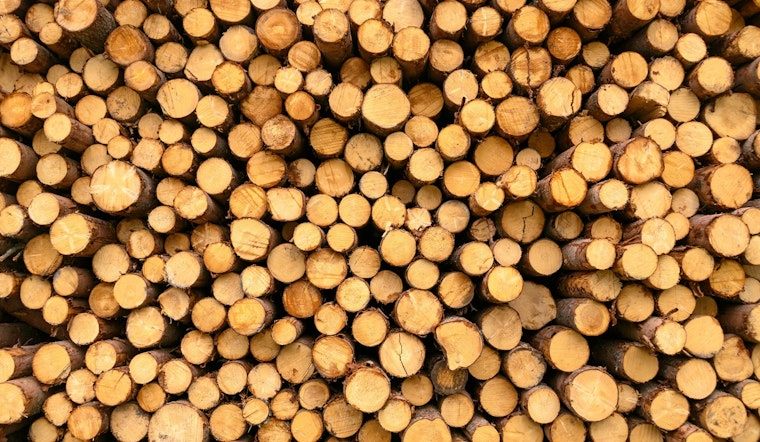
Across Washington this spring, the timber business is looking leaner. Mills are cutting shifts, slowing production and sitting on bigger piles of unsold lumber as demand and prices wobble. The pain is coming from two directions at once: international trade disruptions that shredded traditional export markets, especially China, and new state forest rules that tighten where and how trees can be harvested. For rural mill towns and logging contractors, that one-two punch is forcing some hard choices.
According to The Seattle Times, some Washington mills have already cut shifts or slowed production, while exporters report trouble finding buyers at previous prices after tariffs and retaliatory measures shrank Chinese demand. The paper notes that both softwood and hardwood shipments to China fell substantially once tariffs hit, leaving excess supply on the home front and softer prices. Company managers told the outlet they are scrambling for new markets and reworking inventories just to stay afloat.
On top of the trade headaches, state regulators have tightened forest practice rules that industry leaders say are forcing faster decisions about mills and logging crews. The Forest Practices Board voted in November to widen riparian buffers on streams without fish, a rule slated to take effect Aug. 31, and lawmakers this session have already dragged the change into a repeal hearing, according to Capital Press. Environmental officials and tribes argue the wider buffers are needed to keep water temperatures cool for salmon, while timber groups counter that the math threatens tens of thousands of acres of harvest and the local jobs that go with them.
Academic data back up the sense of strain. WSU’s Washington State Outlook shows timber harvests and wood product exports have fallen since 2021 and notes that what was once roughly a $60 million hardwood market to China was devastated by the 2018–19 trade fight. The report finds that lumber prices and production still have not climbed back to pre-COVID levels, leaving mills squeezed by lower demand and higher costs. State analysts warn that the combined effect of tariffs, regulatory change and a sluggish housing sector makes a clean recovery anything but guaranteed.
How Companies Are Responding
Timber firms are trying to blunt the damage by chasing alternative buyers and adding more value to what they ship. Trade coverage and industry journals report that producers are spreading sales into Europe, Southeast Asia and other markets, investing in remanufacturing and specialty product lines, and trimming payrolls where they feel they have to, according to Miller Wood Trade Publications. For many smaller operators, though, those moves are more bandage than cure. Developing new markets is slow, capital intensive work, and the bills keep coming either way.
Tariffs, Industry Pleas And The Politics
National industry groups say federal tariff policy has become a double edged sword, and many mills are asking for clearer rules and targeted relief. The Hardwood Federation has urged policymakers in its newsletter to prioritize hardwood exporters, as outlined by the Hardwood Federation. Fox Business has also reported on mill closures and industry letters that warn ongoing tariff uncertainty could trigger more shutdowns across the country.
In Olympia, lawmakers are not sitting this one out. House Bill 2620 would roll back the buffer change after industry groups argued the Forest Practices Board strayed from the 1999 Forest and Fish agreement, and the Department of Natural Resources has told legislators that repealing and rewriting the rule would carry an estimated $2.2 million price tag, according to Capital Press. Tribes and environmental advocates oppose the repeal and say the science backs wider buffers to protect streams and salmon. Lawmakers are effectively weighing rural jobs against long term habitat recovery, a choice that could still end in litigation or another round of negotiated rulemaking if the bill moves ahead.
For now, the outlook is mixed at best. Industry leaders argue that new markets can be built, but only with time and some coordinated public and private help. Analysts caution that without clearer policy, more stable trade rules and investment in value added manufacturing, mills and the communities around them will likely keep shrinking. State reports and trade groups suggest that a blend of federal aid, steadier trade policy and targeted state support could soften the blow. For many families in timber country, though, the downturn is not a forecast. It is already here.



