

























































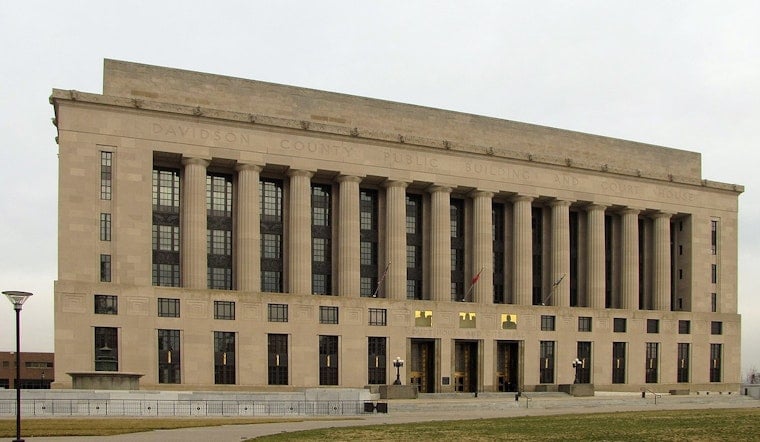
Tennessee lawmakers are racing competing bills through committees that would make it easier to use deadly force to defend private property, setting up a tense showdown at the State Capitol. Backers say the proposals give homeowners a last-resort tool when police are slow to arrive. Critics warn they could open the door to vigilante-style confrontations and make already tricky prosecutions even harder. The fight has only intensified as the House and Senate versions drift apart on who can pull the trigger, where, and under what circumstances.
Senate Bill 1847 and its House companion, HB1802, would amend Tennessee Code 39-11-614 to spell out when deadly force is allowed in disputes over property and to permit fresh pursuit or reentry after someone has been dispossessed. As written in the bill text on the Tennessee General Assembly website, the Senate version authorizes deadly force if a person reasonably believes it is immediately necessary to prevent or stop another person's trespass, arson, burglary, theft, or damage to livestock. The measure also specifies that it would not justify deadly force if the person targeted is facing away from the would-be defender.
Supporters And Critics Clash At The Capitol
Supporters pitched the bills as a straightforward protection for people trying to guard what is theirs. Rep. Kip Capley told colleagues that "it basically says, if deadly force is your last and only option to protect your private property, you can use it," according to NewsChannel 5. Opponents countered that the change risks turning tense encounters into fatal ones. Kristen Sterling of Moms Demand Action argued it "empowers individuals to act as judge, jury and executioner on the spot," while State Rep. Gloria Johnson flatly labeled the proposal "dangerous."
House Amendment Reins In The Measure
On the House side, lawmakers adopted an amendment known as HA1054 that tightens HB1802 in several ways. The revised bill would apply only when "the person lawfully resides" at the location, and it bars the use of deadly force by anyone who is in the middle of committing a felony or a Class A misdemeanor. It also narrows the list of property-related crimes that can trigger lethal force to the imminent commission of arson, burglary, robbery, aggravated robbery, or aggravated cruelty to animals. The amendment sets an effective date of July 1, 2026, according to the text posted by the Tennessee General Assembly.
Legal Landmines And What Comes Next
Prosecutors and the Tennessee District Attorneys General Conference urged lawmakers to tap the brakes, warning that the Senate version in particular could greenlight deadly force in relatively low-level situations. "I believe this is, again, very problematic," Executive Director Stephen Crump told senators, according to NewsChannel 5. Even if one of the competing versions becomes law, the change would create an affirmative defense rather than a guaranteed shield from charges. As the reporting noted, someone who uses deadly force could still be prosecuted and would have to convince a court that lethal force was the only option available.
Lawmakers in both chambers are slated to vote on the measures this week and next. If the House and Senate cannot agree on identical language, the bills could be routed to a conference committee, where negotiators would try to hammer out a final version that both sides can live with.





