

























































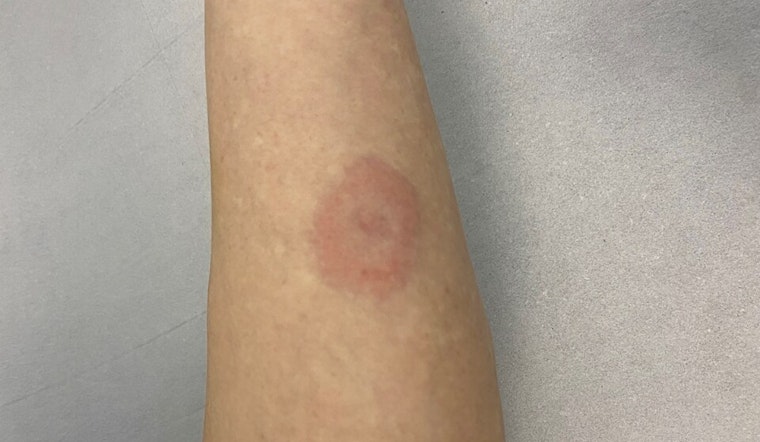
Ticks are having a field day in Michigan this spring, and health officials say residents need to get serious about avoiding them. Lyme disease cases and the blacklegged ticks that spread the illness are surging across the state, with public health labs and local advocates warning that the outbreak is bigger and earlier than in recent years, driven by booming tick populations.
State figures show confirmed Lyme cases have climbed fast in recent seasons, jumping from roughly 553 cases in 2022 to about 2,167 in 2025. That is a nearly fourfold increase, according to local reporting from the Detroit Free Press. Local health departments and clinicians say the spike has already forced expanded surveillance and outreach ahead of the summer tick season.
The Michigan Department of Health and Human Services now lists the state as a high-incidence jurisdiction for Lyme disease, based on sustained rates from 2023 to 2025, according to MDHHS. State officials also report that the department has already received more than 200 tick submissions this year, a sign of rising public concern, as reported by WXYZ.
For patients and advocates, the surge is not just a set of numbers. “My life has changed dramatically,” Annette Jackson told WXYZ, describing years of misdiagnoses and lingering symptoms. Kim Cooney of the Michigan Lyme Disease Association called the illness “debilitating” and urged more testing and research to catch cases earlier and treat them more effectively.
What Is Behind The Spike
Researchers say the culprit is not a mystery: the ticks are moving in and thriving. “The ticks have spread,” explained disease ecologist Jean Tsao, noting that warmer, wetter conditions have helped blacklegged tick populations expand into more suburban and even urban areas, according to the Detroit Free Press. With more habitat and more hosts, ticks are finding plenty of opportunities to latch onto people.
How To Protect Yourself
Health officials say residents do not need to hide indoors, but they do need to be smart about ticks. Recommended steps include staying on cleared trails, wearing long sleeves and pants, using EPA-registered repellents such as DEET or picaridin, treating clothing and gear with permethrin, and doing full-body tick checks after spending time outside.
The MDHHS offers free tick-identification instructions and submission kits for residents, while the CDC provides detailed information on Lyme symptoms, testing and treatment options.
If you find an attached tick, officials advise removing it promptly with fine-tipped tweezers and contacting your healthcare provider to discuss possible testing or treatment. Local health departments can also help with identifying the tick. For more background on the trend and last year’s increase, see coverage of last year’s surge on Hoodline.





