

























































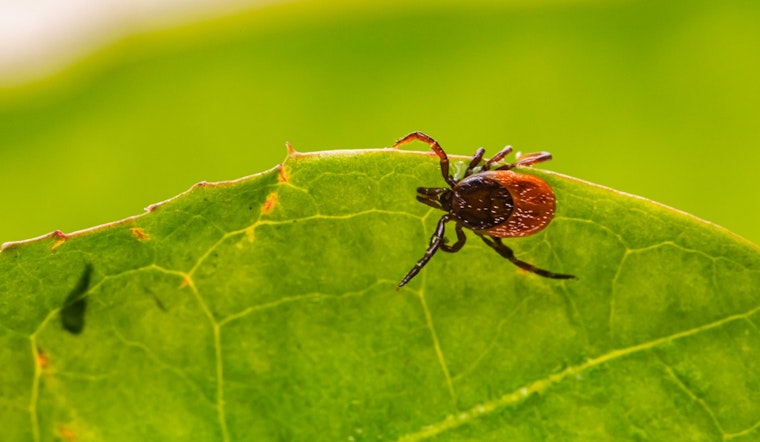
New Yorkers are being warned to brace for a buggy season. Researchers and public-health officials say this summer is shaping up to be tougher for both ticks and mosquitoes, with the pests showing up in neighborhoods and parks that, until recently, were considered relatively low risk. Sightings and lab tests point to a wider tick presence in city green spaces, while warmer springs are stretching out mosquito season. Put together, that means more chances for bites and a potential uptick in tick-borne and mosquito-borne illnesses if people and agencies do not step up prevention and surveillance.
Ticks have spread into many city parks
Columbia University scientists sampling urban green spaces say they are now finding disease-carrying ticks in roughly 70% of the parks they checked, a sign that tick habitat across the five boroughs is expanding beyond the usual hot spots. According to Columbia News, the team has collected ticks in locations ranging from Prospect Park to smaller neighborhood preserves. Researchers note that many city residents underestimate how often they are exposed to ticks during park visits. With that broader spread, routine pastimes like walking the dog, jogging along brushy paths or gardening can carry more risk than many New Yorkers assume.
Mosquito pressure is climbing, too
On the mosquito side, pest-control data are not exactly reassuring. Orkin’s 2025 Top 50 Mosquito Cities list ranks New York among the nation’s worst metro areas for mosquito pressure, based on the volume of new residential mosquito treatments. Orkin compiles its list using treatment data, and the pattern lines up with municipal surveillance reports that show mosquitoes appearing earlier in the season and sticking around longer. The New York City Health Department says it operates traps throughout the city and tests mosquitoes each week to track West Nile virus and other arboviruses, then uses those results to guide targeted control work when necessary.
Why officials are uneasy
Public-health officials say that warmer winters and an early spring can stretch out the season for ticks and mosquitoes and give viruses more time to build up before their typical late-summer peaks. New York’s governor and health leaders have already flagged rising tick counts and record state Lyme disease numbers in recent updates. The state also confirmed a locally acquired chikungunya infection on Long Island last fall, a reminder that Aedes mosquitoes capable of transmitting more exotic viruses are present in parts of the region, according to the Associated Press. State data show that New York has averaged more than 17,500 new Lyme cases per year in recent years, with more than 19,000 reported in 2023, the highest tally in recent history.
How to protect yourself
Health agencies are not reinventing the wheel on prevention, just urging people to actually follow the basics. Recommendations include wearing light-colored long sleeves and long pants, tucking pant legs into socks, using EPA-registered repellents such as DEET or picaridin on exposed skin, and treating outerwear and gear with permethrin where appropriate. The New York State Department of Health also advises washing clothes on high heat or running them in a hot dryer for 10 minutes to kill any ticks that may have hitched a ride, and doing full-body tick checks after spending time near brush, tall grass or leaf litter.
For mosquitoes, state and federal guidance emphasize cutting down on breeding sites and blocking entry into homes. That means dumping or refreshing standing water in items like flowerpots, buckets and gutters, and keeping window and door screens in good repair so mosquitoes stay outside where they belong.
Small hopes: a Lyme vaccine and clearer data
There is at least a hint of longer-term relief on the horizon. Pfizer and Valneva report that an experimental Lyme disease vaccine candidate showed roughly 73% efficacy in a Phase 3 clinical trial, a result the companies say supports moving ahead with regulatory applications, even though the study missed one pre-specified statistical cutoff. In a statement, Pfizer described the findings as encouraging. Public-health experts caution that, if approved, a vaccine would be an important addition to the toolbox but would not replace everyday measures like wearing repellent and checking for ticks.
What the city is doing next
The Health Department says it will continue trapping and testing mosquitoes across city neighborhoods and will alert residents in advance of any targeted spraying. Officials also plan to work with state partners on tick monitoring and public outreach as the season unfolds.
For most New Yorkers, though, the first line of defense will be at home and in the backyard. Officials advise eliminating standing water, keeping yards and play areas trimmed, checking children and pets for ticks every day, and using repellents during peak activity months. The pests may be creeping into more corners of the city, but how bad this season gets will depend in part on how seriously residents take those prevention steps.




