

























































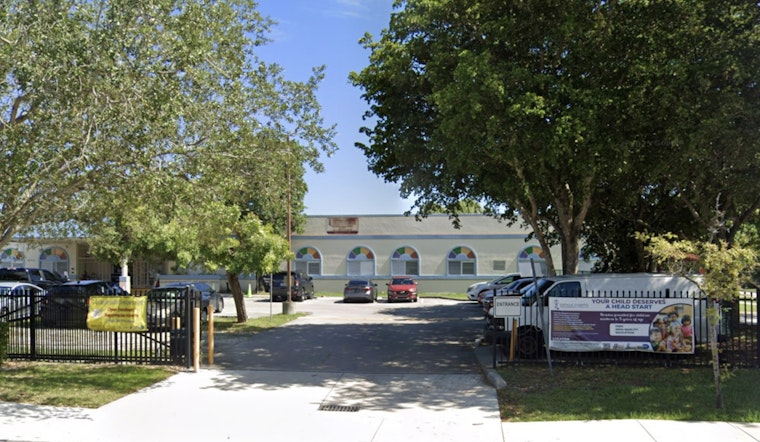
The Trump administration has abruptly yanked an $11 million federal contract from Catholic Charities of the Archdiocese of Miami, a move that could shut down the region's oldest shelter program for unaccompanied migrant children and send local care providers scrambling to find beds elsewhere.
The decision puts the Archdiocese's Msgr. Bryan O. Walsh Children's Village on a short clock. Without that money, the shelter is expected to close within months, and advocates say the resulting transfers of children will be messy, slow and disruptive for kids who are already living in federal custody.
As reported by the Miami Herald, the Office of Refugee Resettlement had been paying Catholic Charities roughly $11 million under the canceled contract to house and care for unaccompanied minors. Archbishop Thomas Wenski wrote that "the U.S. government has abruptly decided to end more than 60 years of relationship with Catholic Charities in the Archdiocese of Miami" and warned the program "will be forced to shut down within three months." The Herald also noted that HHS press secretary Emily G. Hillard said the daily population of unaccompanied migrant children was about 1,900 under the Trump administration, compared with a peak of roughly 22,000 under the Biden administration, and that federal officials first reached out to the charity in late March.
Msgr. Walsh Shelter At Risk
The Msgr. Bryan O. Walsh Children's Village in Cutler Bay, created during the Pedro Pan evacuations of the early 1960s, can house up to 81 children and has been run by Catholic Charities for decades, according to the Archdiocese of Miami. Its origins are tied to Operation Pedro Pan, which brought more than 14,000 Cuban children to South Florida, according to the Operation Pedro Pan Group.
Local leaders warn that the sudden funding cut threatens a full suite of services at the site, including foster placements, medical and counseling care and family reunification work. In other words, it is not just beds at stake, but the support system around them.
Local child welfare officials told the Miami Herald that moving the children to other providers is not something that can be done overnight. Transitioning a federally funded child welfare program and lining up new licenses and staff can take three to six months. Advocates cautioned that the resulting delays could interrupt medical care, schooling and legal services for children already living in shelters.
Federal Sweep And Wider Fallout
The Miami contract fight is unfolding against a broader breakdown between the federal government and some of its long-standing faith-based resettlement partners. The U.S. Conference of Catholic Bishops chose not to renew certain cooperative agreements in 2025, a shift that has strained the national resettlement network.
Axios reported that the bishops have sought reimbursement and warned that the disruption would ripple out to local agencies across the country. Miami is now one of the places where that tension is playing out in real time.
Legal And Logistical Questions
Under federal law, the Office of Refugee Resettlement is responsible for children who arrive in the United States without a parent or legal guardian, and ORR guidance requires safe placements and continuity of care while those children remain in federal custody. That means ORR will have to find replacement providers in South Florida or extend some form of emergency care, a process that watchdogs and advocates say is often slow and administratively tangled.
The Archdiocese has pointed to federal statutes and decades of cooperative agreements that it says have supported its work with unaccompanied children, the Archdiocese of Miami reported.
Local Fallout
Catholic Charities runs a federally funded child welfare program in Miami that the agency says includes foster homes and family reunification services. Catholic Charities of the Archdiocese of Miami has received federal payments for years to support those placements and says it is trying to protect children in its care while seeking clarity from federal partners.
Other child welfare providers in the region say the loss of a major contractor will force a hurried search for capacity among agencies that are already stretched thin. In practical terms, that could mean longer waits for placements and more shuffling of vulnerable kids between programs.
What Comes Next
Federal officials did not immediately issue a statement to local outlets, and Catholic Charities says it is continuing day-to-day operations while it studies what the contract cancellation will actually mean on the ground.
Local officials and advocates are now watching to see whether ORR can move quickly to reassign contracts and keep services stable for the children in its custody. How fast that happens will determine whether this is a short-lived disruption or a drawn-out period of upheaval for one of South Florida's oldest safety nets for migrant kids.





