

























































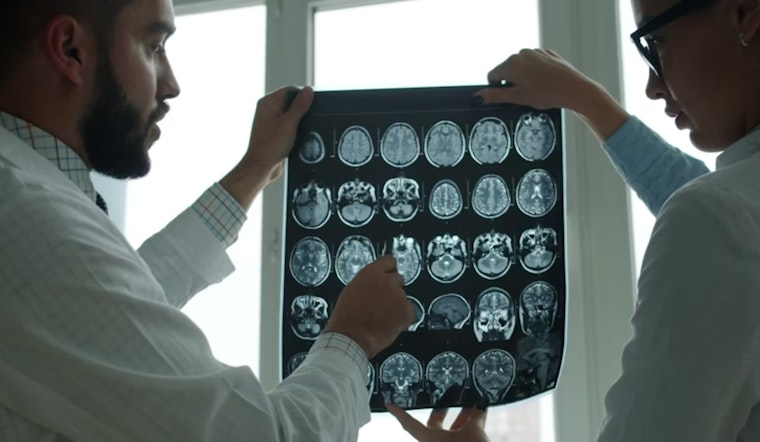
A massive new brain study is coming to California's Latino communities, backed by a $15.85 million grant from the National Institutes of Health. UC San Diego and UC Davis researchers will follow roughly 1,800 Latino adults for about a dozen years, repeatedly scanning their brains with MRI, running blood biomarker panels and giving detailed memory and thinking tests. The goal is to spot the earliest hints of memory loss and zero in on modifiable risk factors, creating what investigators say will be the most comprehensive long-term dataset on Latino brain aging in the United States.
According to UC San Diego Today, the grant lets scientists move beyond single snapshots in time to build a true before-and-after picture of how Alzheimer’s disease, vascular injury and other brain changes unfold in Latino adults. Co-principal investigator Hector González, a professor of neurosciences at UC San Diego School of Medicine, said, "Latino communities have been historically overlooked in aging research. This grant allows us to change that." Charles DeCarli of UC Davis, the study’s principal investigator, said the work is designed to pinpoint which factors matter most for healthy cognitive aging.
Study Design And Data Collected
The research team will combine repeated brain MRIs with blood-based biomarker tests and in-depth cognitive assessments to tease apart Alzheimer’s-related changes from vascular and other contributors to poor brain aging. Earlier analyses of the Study of Latinos–Investigation of Neurocognitive Aging (SOL‑INCA) cohort have already linked genetic ancestry, vascular health and sleep patterns to cognitive risk, as reported in Scientific Reports. With the new funding, investigators plan to use serial imaging and stored biospecimens to test which modifiable risks, such as hypertension or diabetes, most consistently predict decline over time.
Why Latino Communities Are The Focus
Researchers point to the heavier load of cardiometabolic conditions in many Latino communities, including diabetes, obesity and high blood pressure, all of which are tied to worse brain aging and higher dementia risk. "We have a lot of diabetes, it is an endemic problem amongst our people," González told UC San Diego Today, noting that limited access to care and health education leaves many cases undiagnosed. By enrolling participants from diverse Latino backgrounds across multiple study sites, the team hopes to shape prevention strategies that reflect social, cultural and genetic differences rather than a one-size-fits-all model.
What’s Next And The Timeline
The study is expected to run for roughly 12 years, but researchers are not waiting that long to share results. Investigators told CBS8 they anticipate having preliminary data on dementia prevalence and related risk factors by 2027. During that period, the team will keep enrolling participants, re-scanning brains and re-assessing cognition while building a large imaging and biospecimen repository for use by other scientists. They say those findings could help shape targeted, culturally informed interventions to delay or prevent dementia in Latino communities.
Local clinicians and advocacy groups say the project has the potential to reshape screening and prevention strategies in regions with large Latino populations, from San Diego to the Sacramento area. Investigators caution that turning research results into policy or day-to-day medical practice will take time, but they describe the grant as a major step toward more inclusive, precision-based brain health research.



