

























































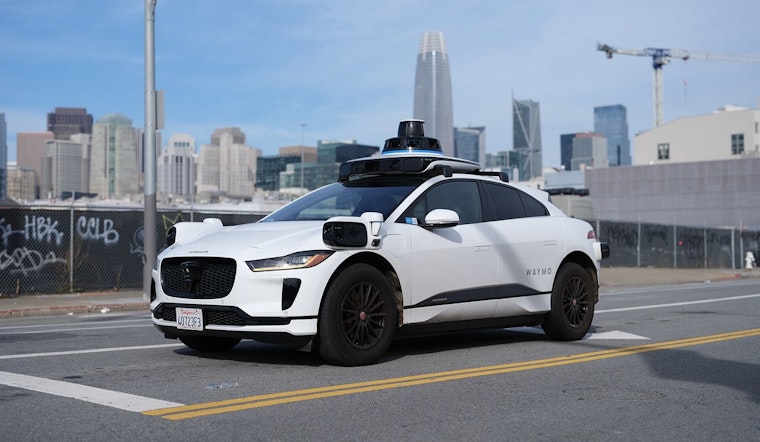
Waymo’s driverless robotaxis are now open to anyone in Miami, turning what had been a limited pilot into a citywide experiment in human-free rides. The service has pushed into beachside neighborhoods and can be booked for trips that may hop onto limited-access highways. As of April 15, 2026, riders across much of the city can summon a fully autonomous vehicle through the Waymo app.
According to Waymo, the company started inviting its first public riders in January through a rolling waitlist, initially covering roughly a 60-square-mile service area that included the Design District, Wynwood, Brickell and Coral Gables. Waymo says it plans to expand service to Miami International Airport and has emphasized potential accessibility improvements for riders with disabilities. The company is pitching the rollout as a safety-first expansion supported by its operational data.
Waymo’s national push
Waymo has been stepping on the accelerator nationwide. The company now sends robotaxis into multiple metropolitan areas and has announced plans to add Dallas, Houston, San Antonio and Orlando as it scales. As reported by The Associated Press, the expansion is part of a broader effort to make driverless rides a mainstream alternative to traditional ride-hailing.
Where you’ll be able to go
Locally, NBC 6 South Florida reports that more than 100,000 people had already taken Waymo rides since January and that the company has recently pushed service into Miami Beach and Bal Harbour. That report also notes that Waymo will begin introducing highway travel on Interstate 95, the Dolphin Expressway (State Road 836) and the Palmetto Expressway (State Road 826), and that each car is outfitted with 29 cameras, six radars and five lidars to scan the road.
Safety questions and snafus
The splashy debut comes with some scrutiny after several high-profile hiccups. Video from Austin showed a Waymo robotaxi briefly blocking an ambulance responding to a March mass shooting, prompting officials to demand an explanation. That incident, along with similar clips, has pushed local leaders and safety advocates to call for clearer coordination between driverless fleets and first responders, as documented by The Independent. Regulators have also pressed companies for more detailed data, and Waymo issued voluntary vehicle recalls in 2025, according to reporting by CNBC.
How to ride and what to expect
Getting a ride works much like any other ride-hail trip: you request a car inside the Waymo app, check the estimated arrival, and can add stops along the way. When the vehicle pulls up, the passenger door handle pops out to signal that it is ready to board. Waymo says it uses remote-support teams and detailed operating protocols to assist vehicles that run into especially complex situations on streets or freeways. Fares are reported to be comparable to other ride-hail options, and local officials say they plan to keep a close eye on performance and coordination with first responders as the service grows.




