

























































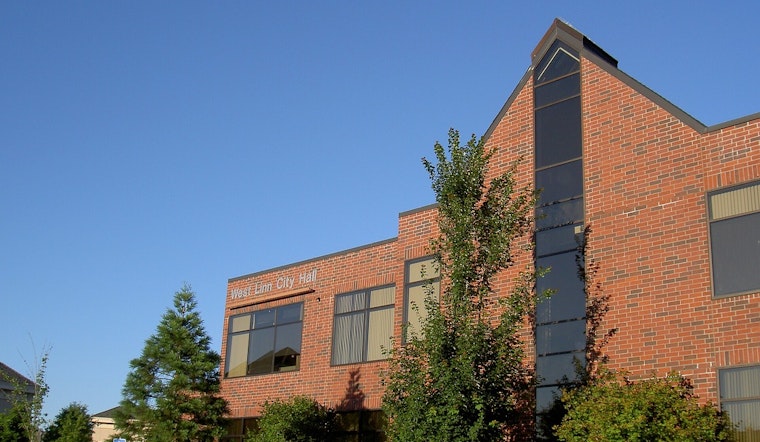
West Linn is pressing ahead with a $45 million public-works hub on a steep Salamo Road hillside that locals still associate with a major slope failure during I‑205 construction in the late 1960s. The move has split the city, with officials and consultants arguing that modern engineering can keep the project safe while neighbors and some outside observers warn the hillside’s history makes the plan a risky wager.
What the City Plans
The proposal would fold Public Works, Parks, Fleet and other city operations into a new complex made up of two primary buildings. The site layout calls for fleet repair bays, warehousing, fueling facilities, a truck wash and paved bulk storage yards, totaling roughly 40,000 square feet of program area. According to the City of West Linn, the council has signed off on a $45 million full‑faith‑and‑credit financing package and officials say “value engineering” has already trimmed earlier cost estimates.
A Hill With a History
The project would sit on two adjoining parcels along Salamo Road, directly north of I‑205, on ground that includes steep slopes and mapped shallow landslide deposits tied to a 1960s slope failure during interstate construction. A Planning Commission staff report from the City of West Linn notes terraced cuts carved into the hillside in 1969 and identifies parts of the property as containing historic landslide deposits. The site is also flagged on state landslide‑susceptibility mapping featured on the City of West Linn landslide maps page.
Engineers and the Commission
Columbia West Engineering’s geotechnical report, included in the planning record, concludes that the proposed layouts can be constructed safely if the city follows the consultant’s recommended cut‑and‑fill grading plan, slope controls and on‑site construction monitoring. The report also states that liquefaction and lateral spreading are not design issues for the mapped portions of the project area. The Planning Commission accepted those findings and approved the conditional‑use permit on a 4–3 vote, adding conditions such as a requirement for a final geotechnical report before any building permits can be issued, according to the commission’s final decision from the City of West Linn.
Neighbors Appeal and Lingering Doubts
Opposition has not gone away. The Savanna Oaks Neighborhood Association filed an appeal of the commission’s approval on March 23, 2026, sending the project into the city’s local appeals process. The land itself was purchased from the Oregon Department of Transportation in 2021 for $396,000, according to a council agenda bill from the City of West Linn. Reporting in OregonLive notes that ODOT sold the surplus parcel “as is” and that a 2020 internal memo raised concerns about unknown seismic stability in the landslide area, a red flag opponents have latched onto.
Who Pays for the Risk
City leaders say the financing package will be paid back through a blend of the street, sewer, stormwater, water and parks funds, meaning existing utility and maintenance fees will carry the debt rather than a new property tax. The city’s funding materials and project FAQ from the City of West Linn and parks funding information from the City of West Linn emphasize that adjustments to current charges, including the parks maintenance fee and other utility fees, are part of the discussion over how to cover the bill.
What Happens Next
The planning record sets an appeal deadline and explains that the case moves through the local appeals track before any building permits are finalized. The Savanna Oaks appeal landed within that window and will be heard under the city’s standard appeal procedures. Under the permit conditions, construction cannot begin until the appeal is resolved and a final geotechnical report is signed off by both the building department and the city, according to the project page and appeal file maintained by the City of West Linn.





