

























































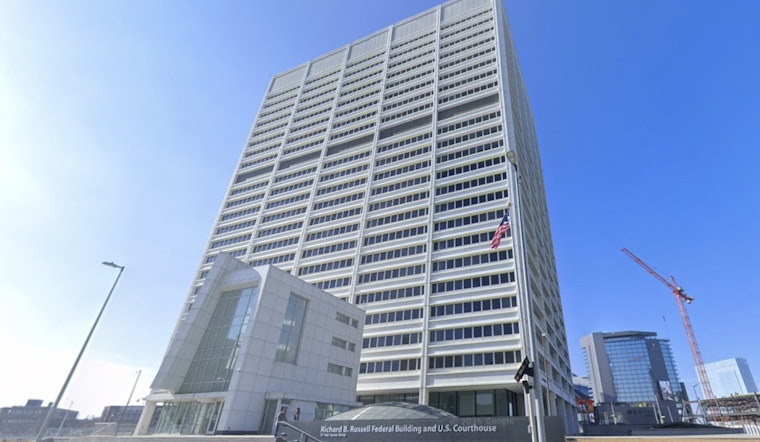
Federal prosecutors say a former University of Alabama defensive lineman stepped off the field and into a nearly $20 million financial hustle, posing as National Football League players to snag a string of bogus loans in Georgia.
According to court filings in the U.S. District Court for the Northern District of Georgia, the ex-player and an associate are accused of setting up sham companies, using fake identification and closing loans virtually to convince brokers and notaries that at least 13 loans worth more than $19.8 million were legitimate. The case is being handled as a federal fraud matter, and a plea hearing is on the calendar for April 27.
How prosecutors say the scheme worked
Prosecutors allege the two men built an entire fake business universe: they registered shell companies, opened bank accounts and drafted fabricated emails and financial paperwork so they could pass themselves off as professional athletes during online loan closings. Investigators say the defendant appeared on camera in various disguises, sometimes in wigs, makeup or a durag, and flashed bogus driver’s licenses and financial records to notaries and brokers.
Once the money was approved, prosecutors say the loan proceeds were funneled into accounts the men controlled and then spent on real estate, vehicles and jewelry, according to WAFF.
Who was impersonated
Court documents and media reports identify several current NFL players whose names and identities were allegedly hijacked in the loan applications, including Atlanta Falcons quarterback Michael Penix Jr., Cleveland Browns tight end David Njoku and Green Bay safety Xavier McKinney.
The Guardian reviewed the criminal information and details closings where the defendant allegedly showed up on video in costume and produced fake identification. The filings underline that the athletes are classified as victims in the case, not as participants in the alleged scheme.
Charges, forfeiture and a plea hearing
Federal court records list charges of conspiracy to commit wire fraud and aggravated identity theft. Prosecutors say the pair secured at least 13 fraudulent loans totaling more than $19.8 million, and they are seeking forfeiture of cash and real estate that investigators believe can be traced to the alleged proceeds.
The matter is being brought through a criminal information rather than an indictment, a procedural step that often signals negotiations toward a guilty plea. A plea hearing is set for April 27, and prosecutors are expected to spell out which assets they have seized and how they link those assets to the alleged fraud, according to WOAI. The wire fraud and identity theft counts each carry potentially lengthy federal prison terms.
Why remote closings can be risky
The case lands in the middle of a broader industry worry about how easy it can be to fool someone through a webcam. Title and settlement groups have warned that remote online notarization and uneven identity checks can open the door for sophisticated impostors.
The American Land Title Association recently tightened its best practices to stress stronger identity-verification procedures, a move noted by ALTA. And the FBI’s 2024 Internet Crime Report puts a number on the problem, citing more than $16 billion in reported losses and a sharp rise in internet-enabled fraud, according to the FBI. Prosecutors point to that mix of digital convenience and imperfect safeguards as the backdrop for how brokers and lenders were allegedly duped.
A short profile of Luther Davis
Luther Davis, the defendant named in court filings, is a familiar name to Alabama football fans. He played on the Crimson Tide defensive line and was part of the 2009-10 national championship roster, a detail noted in court records and coverage by The Guardian.
Outside his college playing days, filings and reporting describe Davis as having worked in sports management and in roles that put him around athlete representation, although the charges here focus specifically on the alleged loan fraud. As the April hearing approaches, prosecutors and lenders are expected to file more documents spelling out the final loan count and any additional victims.
Next up is that April 27 plea hearing, followed by whatever new filings lay out the complete list of loans, victims and seized assets. Further details will come into focus as more public records and official statements are released.





