

























































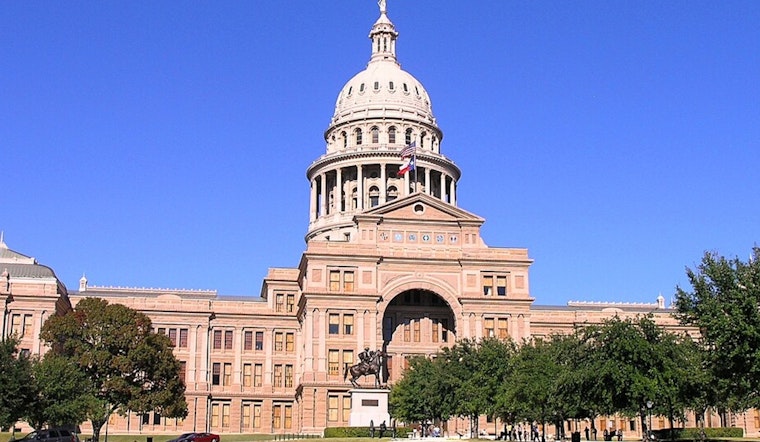
Gov. Greg Abbott on Wednesday ordered public colleges and universities across Texas to keep undergraduate tuition and mandatory fees flat for the 2026–27 academic year, extending a tuition freeze that has been in place since 2023. Abbott has framed the move as a way to relieve inflation pressure on students and families while state and campus leaders rework their budgets.
According to News Radio 1200 WOAI, Abbott sent a letter to university presidents and chancellors directing that no undergraduate tuition or fee hikes be approved for the upcoming academic year. The instruction covers both two-year and four-year public institutions across the state, including health-related campuses.
State Cash Sweetener: $328M Aid Boost Backs Freeze
The Texas Higher Education Coordinating Board's legislative summary reports that the 2026–27 General Appropriations Act adds $328 million across THECB student financial aid programs to expand access and ease pressure on campuses, according to the Texas Higher Education Coordinating Board. The documents state that the extra funding is expected to let the TEXAS Grant, TEOG and TEG programs reach roughly 68% of eligible students, with budget riders that guarantee awards for top-quartile high school graduates and bolster support for transfer students.
Campus Reaction: Public Systems Hold the Line, Privates Set Their Own Course
Some public systems have already signaled they are on board. Texas A&M announced it will keep undergraduate tuition and required fees flat through 2026–27 while expanding its Aggie Assurance program to cover more low- and middle-income families.
Private colleges, on the other hand, are not bound by the governor's directive. Rice University has already posted tuition increases for 2026–27, while at the same time reaffirming its commitment to meet full financial need for qualifying students with large loan-free aid packages.
What It Means for Students and Campuses
Affordability advocates are touting the extended freeze as a clear win for students, even as higher education leaders quietly warn it tightens the screws on institutional budgets. With tuition and mandatory fees locked in place, campuses lean more heavily on state dollars, targeted aid programs, philanthropy or internal cost cutting to keep the lights on.
The combination of a continued freeze and expanded financial aid is designed to soften sticker shock for students, but administrators caution that the long-term costs of running large university systems do not stand still just because tuition does.
What Comes Next
In a letter first circulated in 2024, Abbott told system leaders he "will not support any tuition increase," a message his administration has repeated while urging campuses to keep rates flat, according to the Office of the Texas Governor. Schools are expected to publish their official tuition schedules over the summer, and students are advised to check with campus financial aid offices for final award details.



