

























































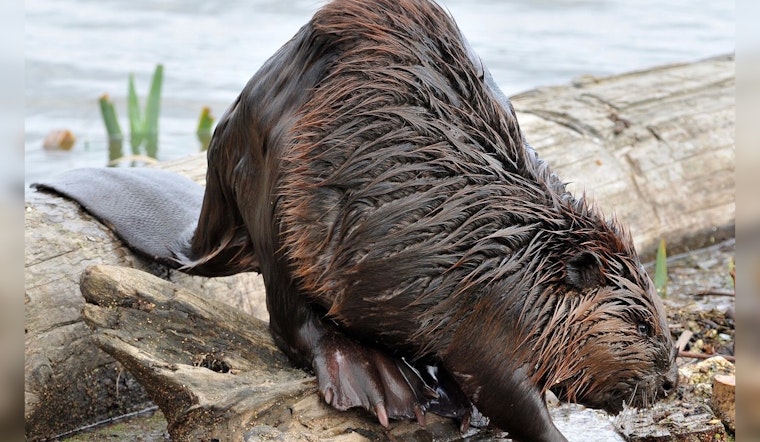
What started as a behind-the-scenes decision by an Alpharetta homeowners group has turned into a neighborhood flashpoint. Residents of the Deer Lake subdivision say they were blindsided to learn their HOA quietly approved wildlife traps around the community lake to deal with what the board described as a beaver problem. Families say the fallout has been brutal, with children coming across beavers dead in traps and floating in the water, a sight many parents are calling “traumatic.” Longtime resident Alison Manning said the move has left neighbors shaken and demanding answers from the board.
HOA email says animals 'being trapped, not relocated'
According to 11Alive, an email from the Deer Lake HOA manager informed residents that beavers had been building dams around the lake and that traps were being set to address “several issues.” Neighbors said the message never mentioned that the animals would be relocated. Instead, several residents told the station they later found beavers dead in the traps during routine walks near the water. 11Alive reported that Manning, who has lived in Deer Lake for 13 years, described the scenes as deeply upsetting for both children and adults in the community.
What Georgia law allows
Under Georgia law, trapping beavers is not automatically off-limits. The state’s Department of Natural Resources issues nuisance-wildlife permits that authorize licensed operators to remove certain animals from private property. In its permit packet, the agency explicitly lists “beaver — All lawful methods” as allowed, while requiring daily trap checks and detailed record-keeping. The guidance explains that non-rabies species may be released into suitable habitat and that, when euthanasia is used, it must follow state standards. Those rules mean property managers and HOAs can hire permit holders to trap beavers, but they are required to follow all of the conditions laid out by the Georgia Department of Natural Resources.
How other communities have reacted
Elsewhere, public backlash has pushed HOAs to rethink how they handle beavers. As reported by The Washington Post, a Fairfax County community rallied around a beaver nicknamed “Wally” after learning that “body-gripping” traps had been set in a neighborhood pond. Residents launched a petition, pressured their HOA and ultimately convinced the board to pull the traps. The board later pursued alternatives, including protecting trees and removing dams, instead of lethal removal. That dispute has since been held up by advocates as an example of how organized neighbors can push boards toward coexistence strategies rather than killing wildlife.
Residents press for transparency and alternatives
Back in Deer Lake, homeowners say this is no longer just about beavers. They want to know who the board hired, whether a state nuisance permit was obtained and what nonlethal approaches, if any, were seriously considered before traps went in. Neighbors have pointed to options such as wrapping trees with guards and installing pond-leveling “flow devices” that control water levels without wiping out the animals. Conservation groups and state wildlife agencies have promoted flow devices and exclusion fencing as tools to reduce flooding while allowing beavers to stay in place, and Colorado Parks and Wildlife’s beaver-management guidance highlights pond levelers and culvert-exclusion systems as proven alternatives. Deer Lake residents say they plan to press the HOA at the next meeting for specifics on the trapping program and for a shift toward safer, nonlethal fixes, the residents told 11Alive.





