

























































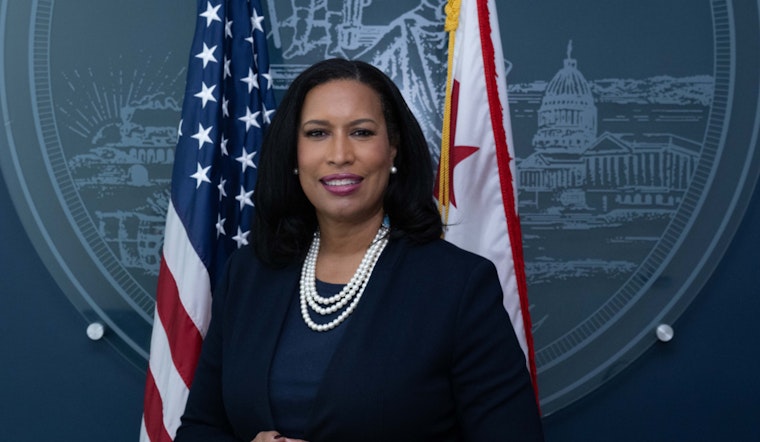
Mayor Muriel Bowser’s farewell tour stop in Anacostia on Tuesday turned into a showdown over her push for a summer juvenile curfew, as residents demanded answers on safety, city spending and years of uneven investment east of the river. The room grew tense while Bowser defended curfew tools and neighbors fired back that what they really want is more jobs, programs and grocery options, not just stricter late-night rules.
Speaking to a packed Anacostia Coordinating Council meeting, Bowser said she wants the D.C. Council to put a summer curfew in place and acknowledged that tight revenue forecasts mean some programs will be scaled back, as reported by WJLA. When a woman in the crowd accused the administration of “criminalizing our kids,” Bowser replied, “I’m not criminalizing anybody,” and argued that the city’s juvenile-services and judicial tools should be part of any conversation about accountability. Residents repeatedly pushed back, asking for concrete help in neighborhoods that have long complained of disinvestment.
Curfew Clash Jumps From Ward 8 Mic To Council Floor
The curfew fight is not just playing out in community meetings. At the D.C. Council, the Juvenile Curfew Amendment Act (B26-0461) would codify a citywide curfew and let officials create temporary “extended juvenile curfew zones,” according to the D.C. Council’s legislative database. The proposal includes exceptions for travel to work, school events, emergencies and First Amendment activity, and it keeps curfew violations as civil offenses rather than criminal ones. If the bill clears the mayor’s desk and then survives a 30-day congressional review, the real test will come with how it is implemented and enforced on the ground.
Tight Budget, Thin Grocery Options East Of The River
Bowser wrapped the curfew debate inside a bleak fiscal frame. Her FY26 “Grow DC” budget pitch is billed as an effort to protect core services while trimming some planned initiatives, a balance the mayor’s office says is required to deal with revenue shortfalls. That squeeze hits harder in southeast neighborhoods where access to full-service grocery stores is already limited, a disparity detailed in reports from DC Hunger Solutions and echoed in residents’ complaints that poor food access makes public-safety problems worse. That gap, along with calls for more youth jobs and expanded rec-center hours, shaped much of the questioning Bowser faced in Anacostia.
Neighbors Press On Stops, Stats And Who Gets Targeted
Supporters of the proposed curfew describe it as a narrow tool aimed at breaking up large, sometimes violent teen gatherings. Opponents argue it could lead to disproportionate stops and extra surveillance of Black and brown youth. At the Anacostia Coordinating Council meeting, residents demanded details not only on how the curfew would be enforced but also on how the city would track results and release data on stops, citations and any racial disparities, concerns that WJLA reported were central to the back-and-forth. Those enforcement and oversight questions are likely to shape how any new curfew powers are actually used if the law takes effect.
Procedurally, the next steps are straightforward but high stakes. The council’s action sends the bill to the mayor and then into a short congressional review period before it can be implemented, according to the D.C. Council’s legislative records. Bowser told attendees she remains focused on public safety and on trying to leave the city better off as she winds down her term. Neighbors left saying they will be watching to see whether those promises turn into real money for jobs, programs and groceries in Wards 7 and 8.





