

























































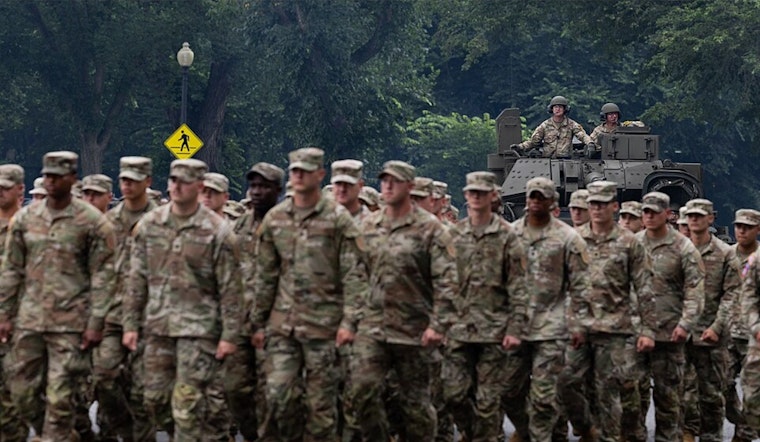
The U.S. Army has told Cincinnati organizers it will not send a female color guard to an Eden Park ceremony honoring women who served, a move organizers say is tied to new Pentagon directives under Defense Secretary Pete Hegseth. The decision, which organizers describe as a sudden reversal after weeks of fast progress, has stalled momentum on the project and sent planners scrambling for backup options. They now say they must rethink which military and veterans groups will take part in the dedication.
Army cites Hegseth policy in refusal
According to The Cincinnati Enquirer, the Army declined the invitation while “citing Hegseth policy.” The paper reports that the project’s lead organizer said the recognition effort had been moving at “warp speed” until the service opted out, a shift that left the planning team reworking a ceremony they thought was nearly locked in.
What Hegseth's directives mean for community ceremonies
Hegseth has ordered reviews of physical standards and signaled a pullback from programs framed as diversity or outreach initiatives, prompting the services to revisit which public events they support. As examined by ABC News, those directives have already reshaped recruiting and outreach decisions in other communities and may help explain why a service component would steer clear of a women-focused ceremonial role in Cincinnati.
Organizers press on
Organizers told The Cincinnati Enquirer they see the Army’s move as a “speed bump,” not a stop sign. The statue dedication and broader recognition program are still on, they said, with planners now turning to other military and veterans groups to take on the ceremonial role. They stressed that community support and the involvement of local veterans remain at the heart of the event.
Why this matters
The dustup in Eden Park shows how Pentagon policy shifts can ripple into local remembrance projects that aim to spotlight the service of women. It also sets up a practical test for organizers on the ground: adjust ceremonies to fit current military participation rules, or move ahead with civilian-led recognition even when a uniformed presence pulls back.





