

























































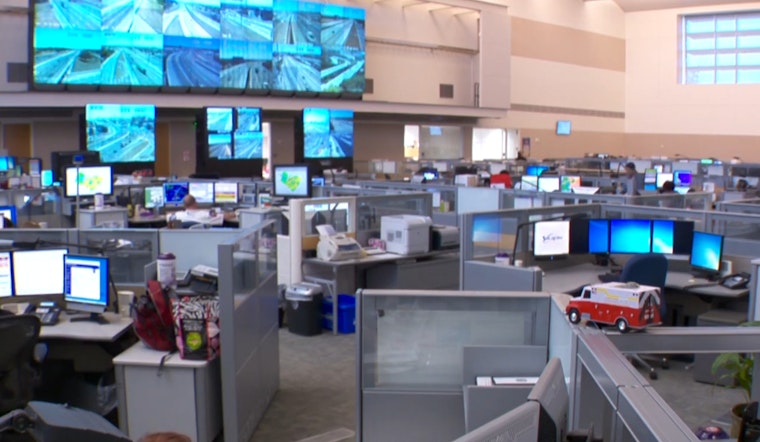
Austin’s public-safety brass told city leaders Tuesday that the 911 system has clawed its way back from a staffing crisis that once left call centers short-handed and callers stuck on hold. They credited new hires and pay tweaks for the rebound and said calls are getting answered faster. The catch, they warned, is that bigger fixes such as tighter coordination across agencies, long-promised technology upgrades, and a full strategic plan to knit dispatch functions together are still unfinished. With budget season looming, council members pushed for firmer timelines and real price tags to make sure the gains do not evaporate.
Staffing gains and short-term fixes
Officials said targeted pay bumps, retention bonuses, and a faster hiring pipeline have helped stabilize call handling. The city’s Emergency Communications Strategic Outlook details those changes, including higher starting pay for 911 call takers and police dispatchers, sped-up application processing, and training sergeants to step in as call takers, according to the City of Austin. City leaders said those moves closed long-standing vacancies and eased pressure on the communications center, which had been straining to keep up with demand.
EMS response times start to ease
Austin/Travis County Emergency Medical Services leaders told council briefings this spring that on-the-ground response measures have begun to trend in the right direction alongside recruiting and operational changes. Presentations to the Public Safety Commission highlight improving response times and call out recruitment as a key factor, as shown in a recent briefing from the City of Austin Public Safety Commission. ATCEMS leaders also said they are tweaking deployment models, including expanded mental-health responses, to match the changing reasons people are dialing 911.
Joint emergency communications plan runs late
Council members reminded staff that they had unanimously directed the city to explore a Joint Emergency Communications Department and had asked for a strategic plan by mid-December 2025, a deadline the city did not meet, according to a prior resolution from the City of Austin. That resolution requires staff to deliver a technical and cost assessment back to Council. Staff said the work revealed more complications than they expected once they dug into how police, fire, EMS, and transportation systems actually talk to one another.
To sort through those issues, the city brought in outside help. Finance records show payments to consultant Mission Critical Partners for feasibility and strategic planning work, which staff said will shape any schedule and bottom line that eventually goes to the council, according to the City of Austin.
Council members want hard numbers
Council Member Krista Laine told staff her "fears of inadequate strategic focus" had been confirmed, and Council Member Mike Siegel said he shared concerns about money and timing, as reported by Community Impact. That reporting also noted that APD now has close to 200 call takers and dispatchers on the books and that the department has beaten national answer-rate benchmarks this year.
Assistant City Manager Ramón Batista, who joined the city in March, told the panel that a multiphase review is underway and that staff will return to the council with recommended next steps. His portfolio and responsibilities are outlined by the City of Austin.
What callers can expect next?
Officials said the immediate win is that more calls are being picked up faster, so more people are reaching the right responders without a long wait. They cautioned, though, that service gaps remain, particularly in outlying neighborhoods and in how agencies coordinate across jurisdictional lines.
The Combined Transportation, Emergency & Communications Center is still the central hub for regional 911 operations and will sit at the heart of any future overhaul, according to the City of Austin. Staff told council they will return with cost estimates and a proposed implementation schedule so elected officials can decide how much to fund in the upcoming budget cycle. The original direction for that long-term planning is laid out in the earlier council resolution from the City of Austin.



