

























































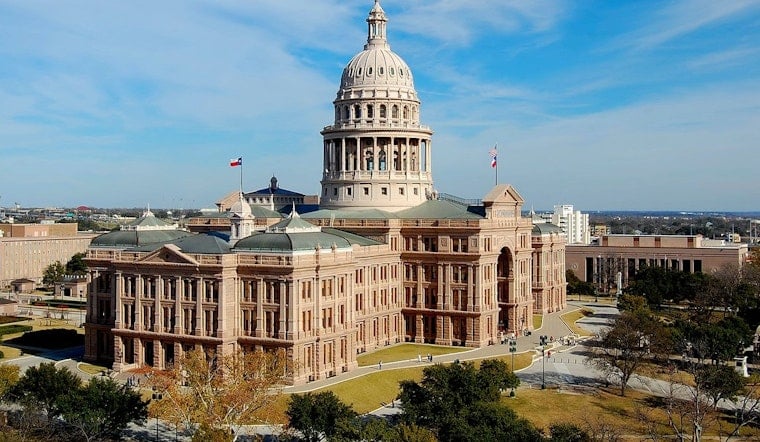
Texas senators turned up the heat on health officials and industry experts in Austin on Wednesday, grilling them on why residents keep getting hit with bigger bills for routine care and hospital stays. During an invited testimony hearing of the Senate Health and Human Services Committee, questions quickly shifted from polite to pointed as lawmakers demanded concrete steps to rein in costs and signaled that political pressure is moving from campaign stump speeches to scrutiny inside the Capitol.
According to the Texas Senate, the committee convened Wednesday morning in the Capitol Extension. As reported by FOX 4 Dallas-Fort Worth, senators pressed several health care experts for specific data and policy ideas to slow rising prices. In video filed by reporter Shaun Rabb, exchanges turned tense as lawmakers pushed witnesses to go beyond generalities and offer workable options.
Who Sat at the Witness Table
The lineup featured invited policy researchers, state agency staff and representatives from industry and advocacy groups, a mix that reflects the broad interim work lawmakers have ordered. The Legislative Reference Library's interim hearings calendar notes that House and Senate panels have been holding a series of affordability hearings this spring to pinpoint what is driving higher costs, according to the Legislative Reference Library. The Texas Hospital Association has highlighted that recent committee discussions have zeroed in on fraud, charity care and facility fees, which hospital leaders argue are often misunderstood and too easily cast as pure profit.
What Lawmakers Zeroed In On
Senators repeatedly homed in on market concentration, contract terms that can limit competition and the role of middlemen who can mark up prices before care ever reaches patients. Experts have identified anti-competitive contract clauses and consolidation as major forces behind higher prices, according to the Center on Health Insurance Reforms at Georgetown University. Lawmakers also flagged facility fees and pharmacy benefit manager practices as areas of concern, and several noted that the lack of clear, consumer-friendly price information makes it harder for Texans to shop around for care, even when they want to.
The Numbers Behind the Heat
Policy groups and researchers laid out a sobering backdrop: premiums remain steep and gaps in coverage persist. Texas 2036 reports that employer-sponsored family premiums can run into the tens of thousands of dollars, a strain that hits household budgets and small businesses alike. Health insurance estimates from the U.S. Census Bureau also place Texas among the states with the highest uninsured rates, a reality lawmakers said makes the cost conversation more urgent; see the U.S. Census Bureau.
What Is Likely Next
Senators signaled that health care affordability will stay high on the agenda through the interim as committees gather more testimony and data to craft bills for the next legislative session. The hearings schedule and other resources from the Legislative Reference Library are among the materials lawmakers are leaning on as they weigh price transparency proposals, tougher oversight of contracting practices and fraud-prevention measures. Industry groups and consumer advocates remain far apart on key details, setting up what could be a contentious 2027 session once draft bills hit the floor.
For Texans who are already skipping doctor visits or medications because of cost, the latest round of hearings offers scrutiny but not much immediate relief. National trackers such as KFF and other policy organizations report rising deductibles and coverage losses that push people into medical debt or keep them away from care altogether. Lawmakers said they plan to keep probing the issue, but turning these sharp questions into durable, bipartisan policy will mean tradeoffs that many stakeholders are likely to resist.



