

























































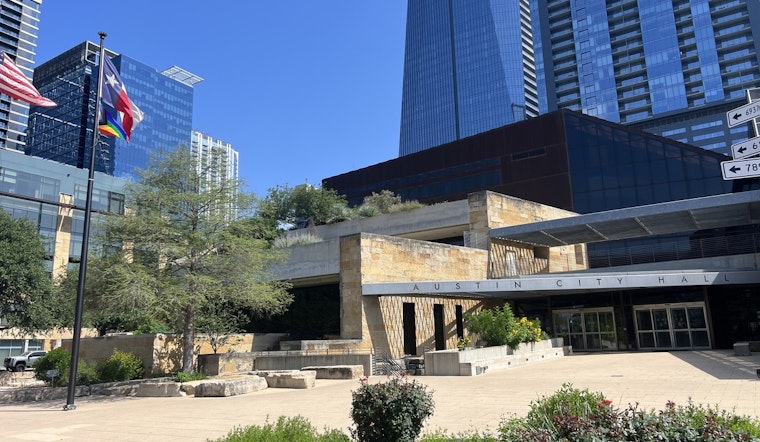
Austin is officially changing how it deals with flooding. On Friday, City Council signed off on Rain to River, a 10-year strategic plan that aims to shift the city’s mindset from short-term disaster response to long-term prevention, with a particular focus on neighborhoods that have historically been left out of planning and protections. The roadmap bundles dozens of actions to cut flood risk, clean up creeks and rivers, and make the city’s progress visible in a way residents can actually track.
As first reported by KXAN, city officials are pitching Rain to River as a community-driven overhaul of Watershed Protection’s priorities, with an explicit pivot "from reacting to floods to preventing them before they happen." Staff told reporters the plan is designed to come with measurable goals and transparency tools so neighbors can see whether new investments are really lowering risk where they live.
What the plan actually lays out
The plan organizes the work around three big pillars: Center Community, Innovate Together, and Govern Responsibly. Under those themes, Watershed Protection breaks its efforts into 24 strategies tied to an implementation roadmap that was presented to the Environmental Commission. Environmental Commission materials and the final draft outline a public dashboard along with a timetable for rolling out specific action items and the performance targets that go with them.
A grim local history
The stakes are not theoretical. The Memorial Day storm on May 24, 1981, killed 13 people and caused about $36 million in damage, a disaster that ultimately pushed the city to create formal watershed programs. KXAN notes that the 1981 flood helped drive many of the protections Austin depends on today.
Funding and shifting priorities
Most of Watershed Protection’s day-to-day operations are paid for through the Drainage Utility charge that shows up on Austin utility bills, while major construction projects usually lean on bonds and state or federal grants. City of Austin officials say Rain to River also reshapes how projects get prioritized. In addition to the big, long-running efforts residents are used to hearing about, staff plans to widen the toolkit with more small and medium-sized projects that can be finished more quickly and spread benefits across more neighborhoods.
Community outreach and next steps
Thousands of residents, community ambassadors, and partner organizations, including the African American Youth Harvest Foundation and the Del Valle Community Coalition, helped shape Rain to River through surveys, focus groups, and mini-grant projects, according to the engagement materials. Rain to River materials and the final plan say a follow-up implementation memo with key performance indicators and a standing community advisory group will come on the heels of council approval, and that a public dashboard will track progress across the full decade.
City staff says the immediate to-do list includes publishing the implementation schedule and public dashboard, briefing communities on near-term projects, and using the new metrics to steer both budget talks and grant applications. For Austinites who have watched floodwaters repeatedly cut through the same streets and homes, Rain to River is being framed as the city’s clearest commitment yet to try to head off the next disaster instead of only racing in after the water rises.





