

























































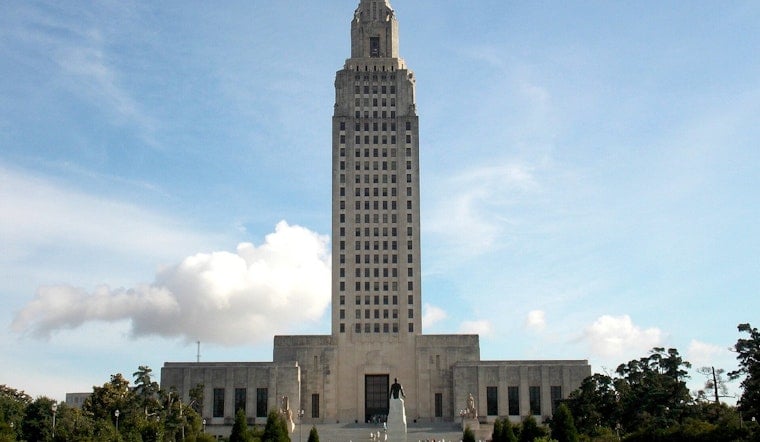
Louisiana lawmakers are weighing a plan that would scoop up publicly owned historical statues and monuments that have been taken down and move them into the state park system, with a hard rule that they cannot go back to the parish where they once stood. The bill easily cleared the House on May 7 and now heads to the Senate. Front and center in that fight are New Orleans' four Confederate monuments, removed in 2017 and still sitting in storage.
What The Bill Would Do
House Bill 1215, filed by Rep. Mike Bayham, would require any publicly owned historical statue or monument removed from public display on or after August 1, 2006 to be transferred to the Office of State Parks. That office would then be responsible for finding locations within the state park system for placement and display and for providing interpretive signage that explains both the figure or event commemorated and the circumstances of the monument's original placement and removal, according to the Louisiana Legislature. The engrossed version also bars placing a transferred statue or monument in the same parish from which it was removed.
New Orleans' Four Monuments Already In Storage
The most obvious candidates under the bill are the four large Confederate-era monuments New Orleans took down in 2017, including the statues of Robert E. Lee, Jefferson Davis and P.G.T. Beauregard, plus the Battle of Liberty Place obelisk, all of which remain in storage. As reported by WDSU New Orleans, HB1215 would require the state parks system to post signage at any new display sites and would prevent those pieces from returning to their original parishes. After years of back-and-forth among local groups, museums and officials over where the works should permanently land, the proposal would hand custody to the state parks office instead of city or parish leaders.
Where The Measure Stands
The House voted to pass HB1215 on May 7, sending the measure to the Senate; roll-call records show final passage by a 78-14 margin, according to LegiScan. If the Senate signs off and the governor approves it, the Office of State Parks would be responsible for choosing specific park sites and preparing interpretive materials before any of the monuments go back on public view.
Broader Political Context
HB1215 drops into an ongoing and often heated tug-of-war across Southern legislatures over what to do with Confederate-era symbols: protect them, remove them, or keep them but surround them with new context. Some statehouses have moved to lock monuments in place, while others have taken them down or shifted them into museums. That larger clash, along with the very practical costs of moving, storing and interpreting heavy stone and bronze, sets up both fiscal and political questions for the Senate to confront. For background on similar legislative battles elsewhere, see reporting by the Associated Press.
Legal And Archival Notes
The bill's digest states that its provisions "shall not be construed to abrogate, impair, or supersede" the state's records law, R.S. 44:406, language that could prove important when questions arise about provenance or ownership of removed items. The Office of State Parks would also be authorized to issue rules to carry out the law, a step that will determine when and where any relocated monuments actually appear in parks, per the bill text on the Louisiana Legislature site.
The measure now moves to the Senate, where committee hearings, possible amendments and budget debates could reshape what the final version looks like. At stake is whether Baton Rouge will centralize custody of these pieces in the name of preservation or leave more power with local institutions, as Louisiana wrestles with where its physical reminders of history, and the stories told about them, should live.





