

























































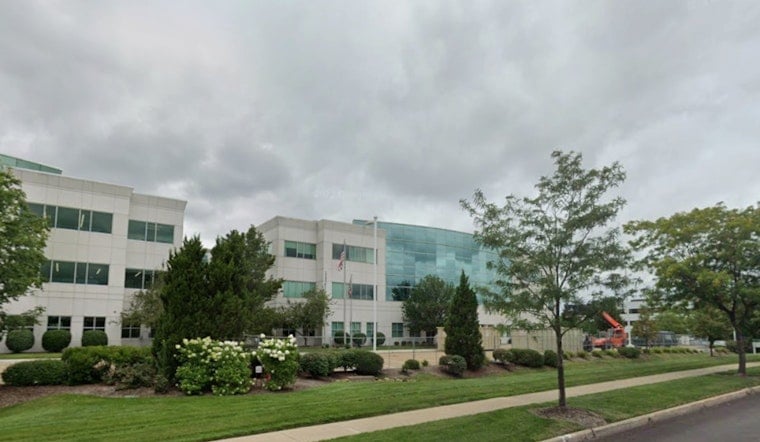
Beachwood-based MasterBrand has officially closed its $3.6 billion all-stock merger with American Woodmark, creating one of North America’s largest cabinetry manufacturers. The combined company will operate under the MasterBrand name and keep operations in Winchester and other existing locations, according to regulatory filings that also spell out immediate financing moves and integration plans. For local customers, builders and workers, it is a growth story on paper; the real test will come when integration choices land on the shop floor.
Regulatory sign-off let the deal close
The Federal Trade Commission wrapped its in-depth review on May 22, allowing the Hart-Scott-Rodino waiting period to expire and clearing the path for the companies to close on or about May 28. The timetable and other closing details were outlined in the companies’ regulatory filings and related materials, according to MasterBrand’s Form 8‑K.
Deal terms and ownership
Under the merger agreement, each American Woodmark share converted into 5.150 shares of MasterBrand common stock. After the exchange, pre-closing MasterBrand shareholders hold roughly 63% of the combined company, with former American Woodmark investors owning about 37%. The combined business will operate as MasterBrand and continue trading on the New York Stock Exchange under ticker MBC, while American Woodmark common stock will be delisted from Nasdaq. The transaction ties together complementary brand portfolios and distribution channels across North America, according to Woodworking Network.
Financing and synergy targets
At closing, MasterBrand drew the full $375.0 million under a delayed-draw Term Loan A facility. About $367.5 million of that went to repay and terminate American Woodmark’s existing indebtedness, with the remaining proceeds earmarked for fees and integration-related costs. Management says the combined company expects to unlock approximately $90 million of annual run-rate cost synergies by the end of year three and is projecting accretion to adjusted diluted earnings per share in year two. Those expectations are forward-looking and remain subject to integration, tariff and broader market risks, according to MasterBrand’s Form 8‑K.
Operations and plant moves
On the operations side, American Woodmark has already signed off on the wind-down and closure of its Monterrey, Mexico plant and plans to consolidate those activities into its Tijuana facility. The company expects the consolidation to be substantially complete by June 30, with an estimated ~$7.5 million in annual savings once the move is fully in place. One-time charges tied to the change are projected in the roughly $36–40 million range, covering employee-related costs, equipment moves and other consolidation expenses. The details are spelled out in American Woodmark’s investor disclosure and highlight the kind of near-term operational calls the combined business will be weighing, according to American Woodmark’s Form 8‑K.
What this means for Cleveland
For Northeast Ohio, the merger is more than a Wall Street line item. MasterBrand’s corporate presence in Beachwood anchors a regional center for cabinetry manufacturing and supply, and the acquisition puts an added spotlight on local suppliers and engineering talent. Local reporting notes that the deal could widen MasterBrand’s reach into builder and retail channels, though any concrete changes to plants or staffing will hinge on integration plans that are still being mapped out, as reported by Crain's Cleveland Business.
Next steps
Executives say the near-term focus is all about integration: aligning brands, plants and distribution networks while keeping customer commitments intact and working toward those cost-savings goals. “Today marks a transformative milestone for MasterBrand,” CEO Dave Banyard said in the company statement, according to Woodworking Network.





