

























































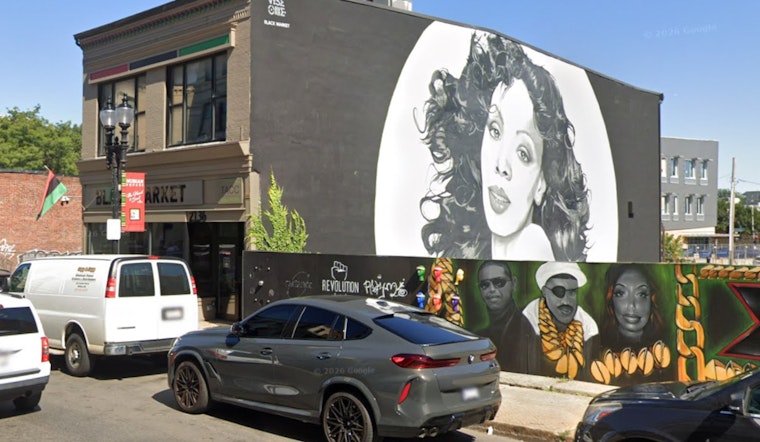
Black Market Nubian, the Roxbury marketplace and cultural hub in Nubian Square, will close on May 31, 2026, after its founders said they could not finalize a deal to buy the building they have leased for years. The move ends a near-decade run hosting vendors, performances and an annual block party that helped put the neighborhood’s creative economy on the map.
Owners say the buyout was too risky
In a social-media video, the market’s founders, Kai and Chris Grant, said they had run the numbers and that "the level of risk required would place an unsustainable burden on us personally, financially and operationally," a message documented by The Boston Globe. The couple told the Globe they could not resolve a dispute with their landlord to complete a buyout, and Madison Park Development Corp. said it was notified that "the tenant had chosen to nullify the terms of the agreed-upon extension and vacate within the coming week." The result is a deal that once looked like a path to permanent ownership now ending with the space going dark.
Fundraising fell short
The Grants launched public fundraising this spring, and their GoFundMe campaign shows organizers raised roughly $36,800 toward a $45,000 goal while dozens of events were staged at the market in recent weeks. The small-scale crowdfund and community events fell well short of the sums organizers said they needed to secure ownership, and the campaign page lists donations, goals and the founders’ plan for acquisition-related costs on GoFundMe.
Debt, city contracts and the buyout that never was
Earlier reporting found the Grants had been asking the community to help raise $369,000 to complete a buyout, and that they held an option to buy the two‑story property for about $1.3 million, according to The Boston Globe. Records reviewed by the Globe show the Grants accrued about $124,229.12 in unpaid rent over 32 months, and that the market had been awarded an $823,000 city contract for "creative placemaking" - all factors reporters say complicated financing and the path to ownership. On paper, it looked like a textbook case of turning cultural programming into bricks and mortar, until the math and the debt caught up.
Landlord, partners and local history
Madison Park Development Corporation, the longtime community development nonprofit that owns the space, previously announced a formal partnership with Black Market to support local ownership and arts programming, which helps explain why the current split has surprised neighbors. MPDC’s materials describe that earlier collaboration and the organization’s broader work in Nubian Square, framing the relationship as a model of community-based development that is now ending much more abruptly than many expected. Madison Park Development Corporation
What it means for Nubian Square
Black Market’s pivot from pop‑up vendor hall to arts-and-events anchor helped spur murals, performances and a block party that many neighborhood artists and business owners say will be hard to replace. Reporting and event listings over the years place the market at 2136 Washington Street and credit it with raising the profile of Nubian Square’s creative economy. Coverage in Boston Magazine and by GBH document the space’s programming and public-art projects, painting a picture of a place that punched well above its square footage.
The Grants said they will vacate when the lease ends on May 31 and that they are shifting focus to winding down programs and supporting vendors as they look for new homes. Community advocates and planners say the episode highlights the broader challenge of turning cultural programming into sustained ownership in neighborhoods facing rising costs and uneven public investment. For now, the question for Nubian Square is whether civic actors, funders and developers will move quickly enough to preserve the kinds of cultural anchors organizers argue are essential to local economic stability.




