

























































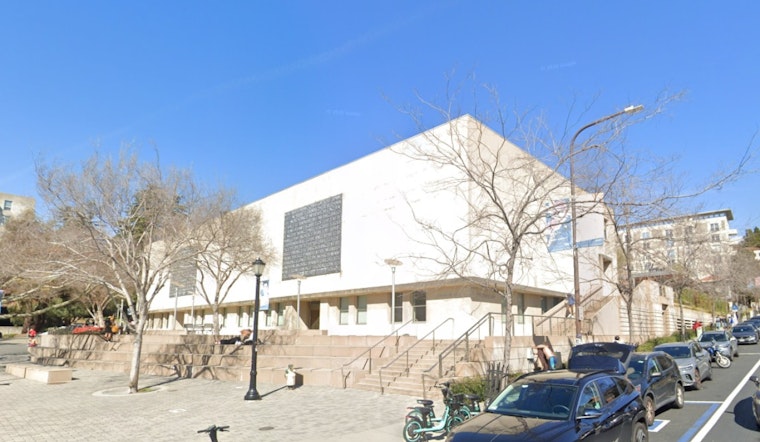
UC Berkeley School of Law is drawing a firm line on artificial intelligence this week, rolling out a new rule that will bar most student use of generative AI on class assignments and on exams. It is a sharp tightening of academic rules at a top law program. The measure, set to take effect this summer, is meant to protect students’ own legal reasoning after instructors flagged an uptick in flawed analyses and invented citations. The policy leaves narrow exceptions for courses that explicitly teach how to use AI ethically in legal practice and gives instructors some discretion.
As reported by the San Francisco Chronicle, the policy, which the school says takes effect this summer, generally forbids students from using AI for aid in conceptualizing, outlining, drafting, revising, translating, or editing any work submitted for credit, and bars its use on end-of-term exams. The Chronicle reported that the new rules apply to roughly 1,120 Berkeley Law students and carve out exceptions for upper-level or specialized classes designed to teach AI tools for practice. The move replaces a looser 2024 policy that had allowed brainstorming and limited grammar help.
“If you don’t have your own analytical judgment, AI will do it for you, and then it’s no longer your judgment,” Berkeley law professor Chris Hoofnagle told the San Francisco Chronicle, explaining why he brought the proposal to faculty after seeing student submissions with dubious legal reasoning. He said the school will still allow AI for tutoring and study guides in limited cases. The reporting added that faculty debated carving out AI-fluency training for upper-level classes while tightening first-year and exam rules.
What the rule bans
The policy spells out a long list of prohibited practices, including asking AI to suggest assignment topics, summarize legal rules for use in an assignment, identify repetitive passages, correct grammar, or draft an outline for a future exam. At the same time, it permits AI for tutoring and study guides in certain circumstances. According to Berkeley Law's generative AI policy and resources, instructors may also choose to allow tool use in specific courses that are designed to teach ethical practice and client-ready workflows.
Why the school moved now
Administrators pointed to a growing set of examples in which AI output produced bogus or misleading citations and shallow legal analysis, which can undercut classroom assessment and professional standards. The AI Hallucination Cases database maintained by Damien Charlotin documents nearly 1,400 worldwide incidents, including roughly 957 in U.S. courts, where judges or opposing parties flagged AI-generated fabrications. Faculty say that trend has made policing academic integrity imperative. The same pattern has prompted courts to sanction lawyers and bar groups to issue guidance on verifying AI-sourced material.
How it will play out
Berkeley's approach tries to thread the needle: the school is banning AI for assessed coursework to protect learning while still allowing supervised use in classes that train students on ethical, client-ready AI work. According to Berkeley Law's generative AI resources, the school encourages human-in-the-loop verification and clear instructor guidance when tools are permitted. As Artificial Lawyer noted, the policy is not an absolute ban, since students can still consult tools in limited ways and professors may integrate AI lessons into advanced seminars. The open question is whether a strict classroom prohibition will push students to clandestine tool use or push faculty to redesign assessments so that AI reliance is harder and less appealing.
Legal stakes
Courts have begun to penalize attorneys and occasionally refer filings to disciplinary authorities when briefs include AI-generated fabrications, raising the professional stakes for lawyers who treat tools as a substitute for verification. That enforcement trend has been a major impetus for universities and bar associations to expand ethics training and guidance on responsible AI use.
What comes next
Berkeley's policy will take effect this summer, and the adjustments faculty make to assignments and exams will be watched closely by other law schools wrestling with the same problem. For now, students and employers are left to weigh whether a tight curfew on classroom AI will safeguard legal education or leave graduates scrambling to catch up in a profession that is rapidly embracing the very tools they are being told to avoid in class.




