

























































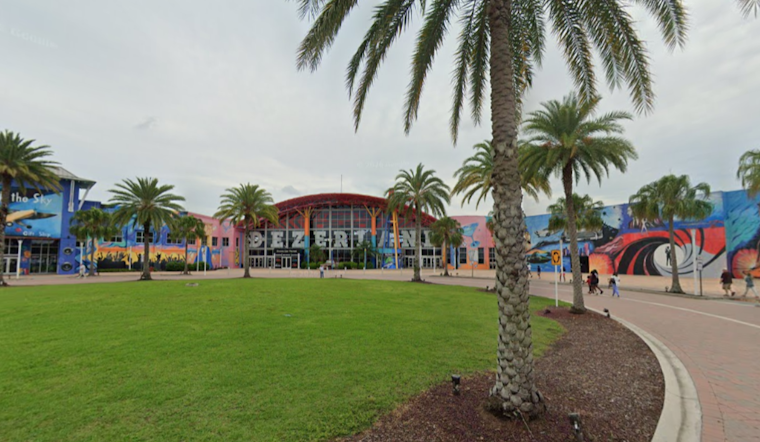
Billionaire developer Michael Dezer is moving in on an aging Orlando timeshare, working through a court-supervised bankruptcy sale that would strip interval owners' claims from the property deeds and hand the buyer a clean title. The parcel sits directly across International Drive from Dezer's Dezerland Park entertainment complex, making it a highly convenient infill site for whatever redevelopment he has in mind. Timeshare owners and the resort association had already voted to wind down operations as part of the broader bankruptcy process.
As reported by the Orlando Sentinel, a federal bankruptcy judge has approved a roughly $8.1 million sale, and Dezer Development is under contract to acquire the Orlando property. The court has set a timetable that could bring the deal to a close in September. The Sentinel notes that Dezer toured the site on May 19 and quoted him saying, "I transform crap into gold."
How the Court Sale Strips Timeshare Claims
The purchase is structured as a Section 363 sale, a process bankruptcy courts use to transfer property "free and clear" of competing claims once any related adversary proceedings are resolved. According to filings hosted by Omni Agent Solutions, the existing liens and interval interests would not travel with the real estate. Instead, they would attach to the net cash proceeds from the transaction, and the court would then oversee the distribution of that money to owners.
Who Owned What, and What They Could Receive
Bankruptcy papers show that the Orlando International Resort Club sits on about 4.639 acres at 5353 Del Verde Way and contains 63 units, totaling 3,276 unit weeks. The documents list PTVO Owners Association with control of about 40.72 percent of the weeks, Wyndham Vacation Resorts with about 16.94 percent, and thousands of individual interval owners with about 40.42 percent, while the association itself holds about 1.92 percent of the weeks. Under the code sections cited in the sale motion, any net sale proceeds would be distributed to owners in accordance with their ownership shares, subject to court supervision and after any required cost deductions.
Why Developers and Investors Are Paying Attention
Industry advisers told the Sentinel that this deal could be an early test case for how aging Central Florida timeshare properties get liquidated and repurposed, either as updated resort operations or converted to multifamily or senior housing. Paul Sexton of HREC, who has advised on hospitality conversions in the region, is among the brokers and appraisers that industry reporting says investors consulted as the asset moves through the sale process. His firm profile highlights the kind of conversion work developers typically lean on when a legacy resort is nearing the end of its original business model.
Interval owners who still have contracts tied to the property are being urged to keep an eye on the bankruptcy docket for the auction notice, any objections, and any adversary proceeding filings. Docket aggregators such as BKAlerts show interested parties, including Dezer's counsel, formally entering appearances in the Orlando case earlier this year. For owners who do not participate in, or do not prevail in, any Section 363(h) proceedings, the sale order contemplates termination of their timeshare estates and distribution of proceeds under the court's direction, with final payouts determined by the relative ownership percentages recorded in the bankruptcy filings.



