

























































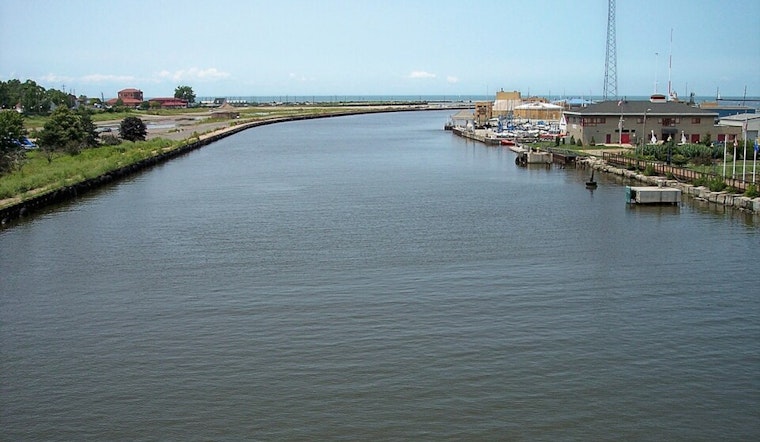
The Black River, the Lorain-area waterway that spills into Lake Erie, is suddenly very close to losing the last stain that landed it on the U.S. EPA's Area of Concern list. State officials have recommended removing the final “beneficial use impairment,” capping years of sediment cleanup, habitat rebuilding, and targeted restoration that already erased eight of the nine problems that once earned the river a national AOC label. With that recommendation now out for public review, the river is visibly edging toward formal delisting.
According to the Ohio Lake Erie Commission, biologists found that French Creek and much of the Black River mainstem now meet Ohio's benthic-community restoration targets, with lingering impairments mostly clustered in the lacustuary where the river meets Lake Erie. The draft concludes that remaining water-quality issues that limit full recovery originate in and beyond the Area of Concern boundary, and that remediation and habitat projects inside the AOC have produced measurable gains. A three-week public comment period opened May 27 and runs through June 18, 2026, with written comments accepted by the Lake Erie program administrator.
Decades Of Fixes, One Last Hurdle
The Black River was tagged as an Area of Concern in 1987, and local, state and federal partners say their work has since knocked out eight of the original nine Beneficial Use Impairments, including fish tumors, restrictions on dredging and beach closures. “Removing this final BUI reflects decades of collaborative restoration work aimed at improving water quality, restoring habitat, and advancing the river’s long-term health,” OLEC Executive Director Joy Mulinex said, according to the Black River AOC website. Much of the heavy lifting on the ground has been backed by the Great Lakes Restoration Initiative, local grants, and municipal infrastructure upgrades.
What The Bugs On The Bottom Say
The Ohio Lake Erie Commission report explains that ecologists used multi-metric tools, including the Invertebrate Community Index and a lacustrine L-ICI, to assess benthic invertebrate communities and found that scores in free-flowing reaches have risen since 2012. The document credits removal of roughly 40 acres of exposed steel byproducts, construction of fish shelves and other habitat work for much of the improvement, while noting that several lacustrine sites still lag and will need broader watershed-scale action.
Local Reaction And Great Lakes Context
In an interview with Cleveland.com, Hannah Boesinger, a coordinator for the Ohio Lake Erie Commission, said the recommendation “means we just won't be designated as an [area of concern] anymore.” If the process plays out as hoped, the Black River would join a relatively small club of Great Lakes tributaries that have managed to shed AOC status in recent years, even as larger systems such as the Maumee AOC remain on the list and continue to draw major restoration attention. Local officials say the next year will be crucial for locking in broader watershed improvements so that gains in the lacustuary do not slip.
What Comes Next For The River
After the public comment period wraps on June 18, Ohio EPA and the Lake Erie Commission will review submissions and, if the recommendation holds, send the removal documentation to the U.S. EPA and the International Joint Commission for formal approval. The U.S. EPA lays out a multi-step review and notification process for delisting Great Lakes Areas of Concern, and local partners have set an internal target of seeing the Black River officially removed from the list as soon as 2027, according to the Black River AOC website.





