

























































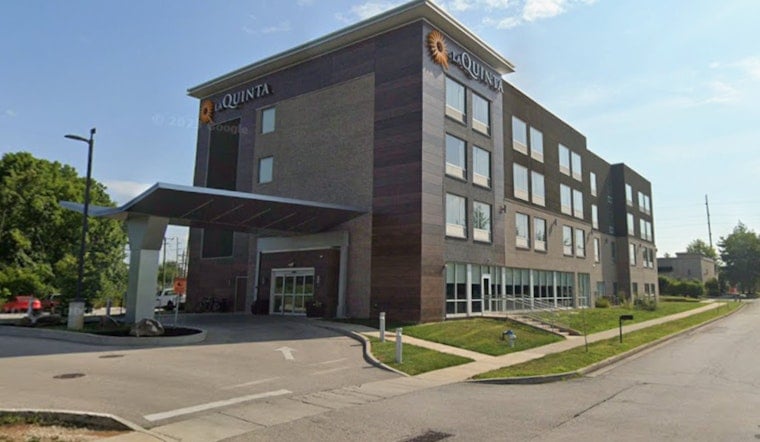
The La Quinta Inn & Suites on West American Boulevard in Bloomington just changed hands for $9.75 million, a steep slide from what it commanded a few years ago. The 233‑room high‑rise, tucked near Normandale Lake, is one of the largest limited‑service hotels in west Bloomington, which makes the price drop especially hard to miss.
According to the Minneapolis/St. Paul Business Journal, the sale closed earlier this week at $9.75 million. The outlet framed the deal as a notable markdown compared with what investors were willing to pay for the same asset four years ago, tying the shift to changing appetite for midscale hotels in the Twin Cities.
Commercial listings and public records describe the property as a multi‑story hotel with 233 guest rooms and roughly 17–18 floors. Listing materials on LoopNet lay out parcel details, assessment figures and its positioning in the Normandale Lake submarket.
Records from 2022 put the prior sale at $14.25 million, or about $61,000 per room, according to Finance & Commerce. That earlier deal has become the yardstick for the new price, and the nearly $4.5 million gap between the two sales underscores how higher financing costs and a larger pool of hotels for sale are reshaping underwriting on local deals.
What this means for the local hotel market
The timing is not great for sellers. Around 25 Twin Cities hotels are currently being shopped, the Business Journal reported, an unusually heavy lineup that can push bids down on midscale properties. Nearby commercial distress, including recent foreclosure activity around Normandale Lake, has added to the jitters, as detailed in coverage of the Normandale Lake meltdown.
What the new owner does next will matter. Whether they pour money into renovations, try a brand refresh or simply operate the hotel for cash flow could influence how comparable Twin Cities properties are priced in upcoming sales. For now, this transaction is a clear signal that midscale hotel values in the region are recalibrating as investors weigh post‑pandemic occupancy trends against the reality of more expensive debt.





