

























































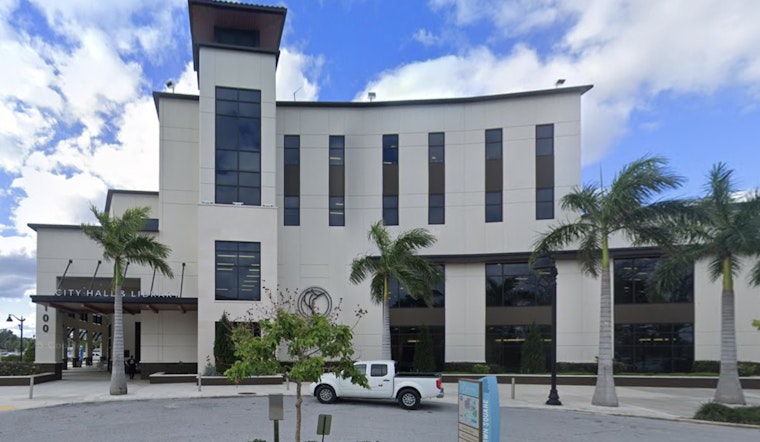
In Boynton Beach, a homeowner who just wanted a small backyard patio ran straight into a wall of red tape. Before he could put down a single paver, the city told him he would need to pay for an engineering study with drainage calculations that would cost more than the actual project. That tug-of-war over pavers is one more local skirmish in a bigger Palm Beach County trend where permits, fines and liens are turning what used to be simple home improvements into pricey legal sagas.
Engineer reports and the patio permit
Ross Rosenberg told reporters he had mapped out a weekend project to add pavers behind his house. Instead, Boynton Beach officials told him he first had to get an engineer’s report before the city would issue a permit. As reported by CBS12, Rosenberg estimated the required study would cost about $3,000, more than the materials and labor for the patio itself. He summed up his frustration this way: "Paying an engineer to survey this is like asking an orthopedic surgeon if high‑fiving Freddie Kruger is a good idea." A city spokeswoman told the station that the plans were rejected because they "did not include required drainage calculations."
County settles after extra fees deemed illegal
According to the Palm Beach Post, Palm Beach County agreed last year to pay more than $2 million to settle a class-action lawsuit after a judge found the county had illegally tacked interest and collection fees onto code-enforcement liens. The settlement required refunds to hundreds of property owners and forced the county to change its collection practices. The ruling highlighted how fast enforcement costs can snowball beyond the original fines and even derail home sales.
The Lantana case and the Excessive Fines question
Court records show Zenaida "Sandy" Martinez piled up roughly $165,000 in penalties since 2021 over parking on her property, a storm-damaged fence and cracked pavement, and the Florida Supreme Court declined to hear her appeal, leaving lower court rulings in place (Justia). The Institute for Justice, which represented Martinez, called the result alarming and warned that "Six-figure fines for parking on your own property are shocking," describing it as an example of penalties that can strip homeowners of equity and limit their ability to move or refinance (Institute for Justice).
Scholars see a broader pattern
Legal scholars and policy researchers say what is happening in Palm Beach County fits into a national pattern: cities leaning on municipal fines, permits and inspections not only to police health and safety, but also to raise money. Some critics describe selective or aggressive enforcement as "weaponizing" municipal rules. An essay in the Cornell Law Review details how ordinances and inspection programs can be used in ways that disproportionately burden certain neighborhoods and act as revenue generators rather than straightforward safety measures.
What homeowners can do
Florida law spells out the process for code orders and liens and sets up an appeal route. An aggrieved party can appeal a final enforcement-board order to circuit court, but the appeal is limited to the record created at the hearing and must be filed quickly under chapter 162 of the Florida Statutes. Homeowners who run into surprise engineering demands or see fines mounting are advised to document all communications, ask for written explanations of required studies, request a hearing before the enforcement board and consult an attorney if fines start to stack up or a lien clouds the title.
For Rosenberg, the patio project is on ice while the city insists on drainage math. For many residents across Palm Beach County, what used to be decisions about pavers, parking and fences now double as decisions about risk, debt and dealing with local government. Whether cities move to lighten permit requirements, adjust fee practices or end up in more court fights, one thing feels certain: weekend projects are starting to come with weekday headaches.





